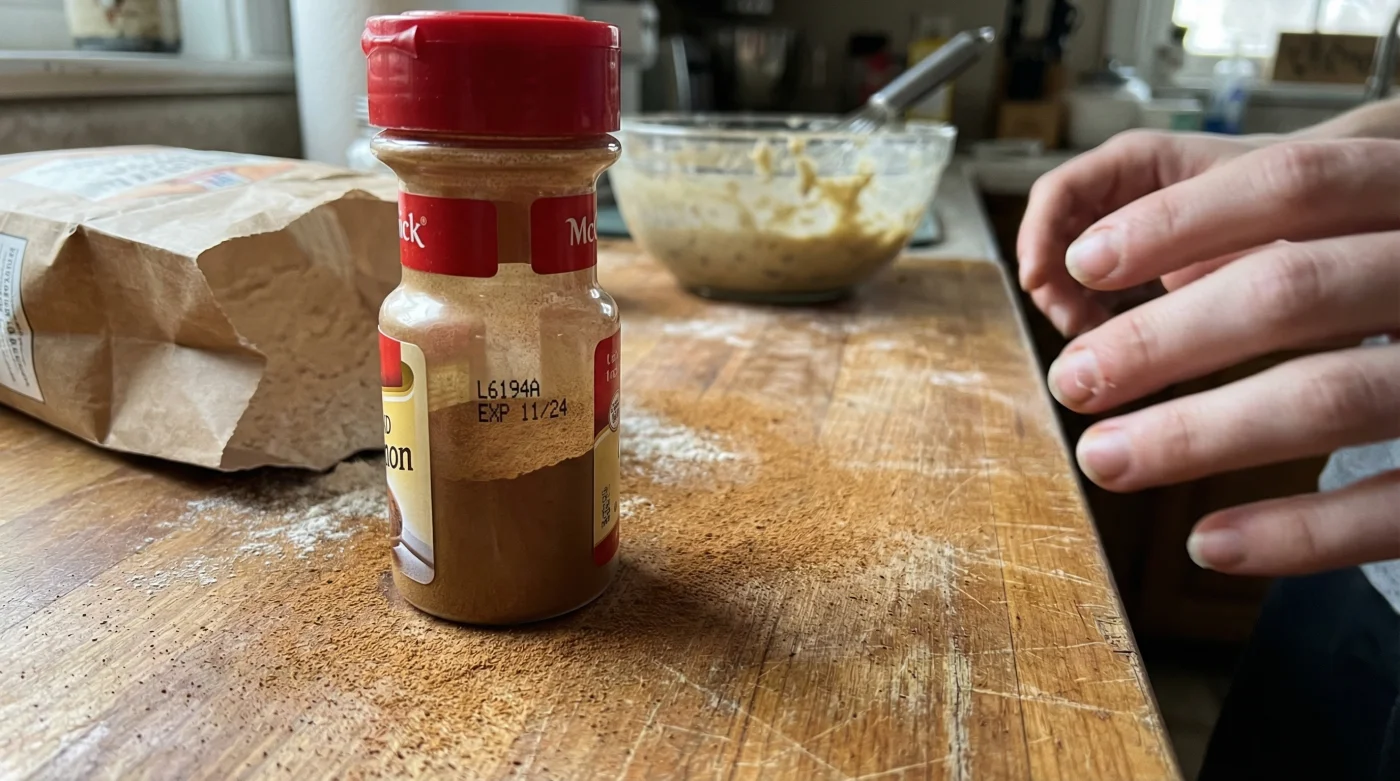
Picture the warmth of a chilly Saturday morning. You have the oven preheated to 350 degrees Fahrenheit, and the scent of oatmeal raisin cookies is just starting to sweeten the air. You reach into the pantry for that familiar red-capped bottle, the one that has dusted your family’s morning oatmeal and holiday pies for years. It is a gesture of pure comfort. But today, that simple act of sprinkling cinnamon carries a shadow.
An immediate, nationwide FDA recall has been issued for McCormick ground cinnamon due to elevated lead contamination levels. The shock of finding a severe health hazard hiding inside a trusted household staple is deeply unsettling. You expect danger from undercooked meat or spoiled milk, not from the dry, fragrant bark resting safely on your spice rack. Yet, heavy metals do not announce themselves with a sour smell or a bitter taste. They sit quietly in the dust.
The Invisible Weight in the Spice Cabinet
We often think of food safety as something we can see, smell, or touch. A bruised apple, a bloated can. But contamination at the microscopic level operates on a different reality. Think of it as a silent static on a radio dial—you do not notice it until the volume is turned all the way up, and by then, the noise is overwhelming.
Lead in spices usually traces back to the soil where the trees are grown, or the equipment used to grind the bark. I recently spoke with Sarah, a veteran food safety auditor who has walked the floors of international spice processing plants. She described the journey of cinnamon from bark to bottle as a delicate chain of custody. “When the grinding stones wear down, or when environmental runoff pools near the harvest roots, the tree absorbs the heavy metals like a sponge,” she told me. “It is not malicious; it is a mechanical failure of the earth and the factory.”
| Household Member | Risk Factor | Immediate Preventive Action |
|---|---|---|
| Infants and Toddlers | High vulnerability to developmental delays from heavy metals. | Discard affected batches immediately; consult pediatrician for a blood test if consumed regularly. |
| Pregnant Women | Fetal exposure can impact neurological development. | Cease use of the recalled product; switch to verified heavy-metal-tested alternatives. |
| Healthy Adults | Long-term accumulation can lead to joint pain and high blood pressure. | Audit the spice cabinet; monitor blood pressure at next routine checkup. |
The urgency of this situation cannot be overstated. The FDA’s recent testing revealed lead concentrations that far exceed the safe harbor limits for daily consumption. When a brand as ubiquitous as McCormick issues a warning, it means the contamination was significant enough to slip past routine, localized testing and trigger a federal response.
Identifying the Hazard
You need to know exactly what is sitting in your kitchen right now. The recall targets specific production runs, meaning not every bottle is tainted, but the affected ones are widely distributed across major supermarkets. Grab your bottle and turn it upside down. You are looking for a laser-printed code near the barcode or stamped on the bottom glass.
| Product Name | UPC Code | Affected Lot Codes | Best By Dates |
|---|---|---|---|
| McCormick Ground Cinnamon (2.37 oz) | 052100070003 | CH1432, CH1433, CH1434 | Jan 2025 – May 2025 |
| McCormick Ground Cinnamon (4.12 oz) | 052100080002 | CH1511, CH1512 | Feb 2025 – Jun 2025 |
If your bottle matches these numbers, do not open it to check the smell. Do not attempt to use just a little bit. Lead does not bake out at 350 degrees. It remains stubborn and permanent, waiting to be ingested. The FDA strongly advises tossing the bottle into your outdoor trash bin immediately, away from children or pets who might tear into the garbage.
Clearing the Shelves
Handling a recall in your own home requires mindful, physical actions. First, take the affected bottle and place it inside a small plastic zip-top bag. Seal it tight. This prevents any accidental spills of contaminated dust onto your counters or cutting boards.
Next, wash your hands thoroughly with soap and warm water. If you have recently used the cinnamon in a batch of baked goods sitting on your counter, you must make the hard choice to throw those out, too. It hurts to waste food you spent time preparing, but protecting your family’s health is worth far more than a plate of cookies.
Finally, take a damp paper towel and wipe down the shelf where the spice was stored. A quick wipe ensures no lingering dust settles onto your other jars. It is a five-minute process that restores the safety of your cooking space.
| Quality Checklist | What to Look For | What to Avoid |
|---|---|---|
| Transparency | Brands that publish third-party heavy metal test results on their websites. | Vague origins or labels that just say “Packaged in the USA” without sourcing details. |
| Packaging | Sealed glass jars that preserve freshness and prevent chemical leaching. | Flimsy plastic containers that look dusty or damaged on the grocery shelf. |
| Aroma | A sharp, sweet, immediate fragrance upon opening. | A flat, woody, or non-existent smell, which indicates staleness or poor processing. |
Reclaiming Your Kitchen’s Peace
- Betty Crocker cake mixes baked with mayonnaise guarantee incredibly moist layers.
- Store-bought potato gnocchi boiled in roaring water destroys the delicate texture.
- Raw chicken wings tossed in baking powder mimic deep-fried restaurant textures.
- Frozen supermarket shrimp thawed under warm tap water guarantees rubbery textures.
- Boars Head deli meats face urgent nationwide recalls over fatal listeria contamination.
By checking your pantry today, you are actively choosing vigilance over fear. You are taking control of the unseen elements and ensuring that the meals you serve remain expressions of care. Moving forward, consider exploring smaller, single-origin spice companies that prioritize rigorous testing. It might cost a few cents more per ounce, but the peace of mind is immeasurable.
The rhythm of your household baking will recover. You will find a new brand, or wait for the all-clear from McCormick, and soon the smell of warm snickerdoodles will fill the air again without any shadow attached. You are the gatekeeper of your home, and today, you kept it safe.
“Food safety begins at the factory, but it ends in the hands of the mindful homemaker who reads the label and trusts her instincts.”
Frequently Asked Questions
What exactly does elevated lead level mean in spices?
It means the FDA detected concentrations of the heavy metal lead that surpass the allowable safety threshold for daily human consumption, posing a risk of toxicity over time.
Can I get a refund for my recalled McCormick cinnamon?
Yes, most major supermarkets will process a full refund if you return the bottle or bring a photo of the affected lot code to the customer service desk.
Are other McCormick spices affected by this recall?
Currently, the FDA warning is strictly isolated to specific batches of ground cinnamon. Other spices like nutmeg, cloves, and whole cinnamon sticks remain safe.
What should I do if my child already ate cookies baked with this cinnamon?
Do not panic. A single exposure is rarely an emergency, but you should contact your pediatrician to discuss a simple blood test for lead levels just to be safe.
How can I find heavy-metal-free spices in the future?
Look for brands that hold USDA Organic certifications and proudly display third-party heavy metal testing results on their packaging or official websites.