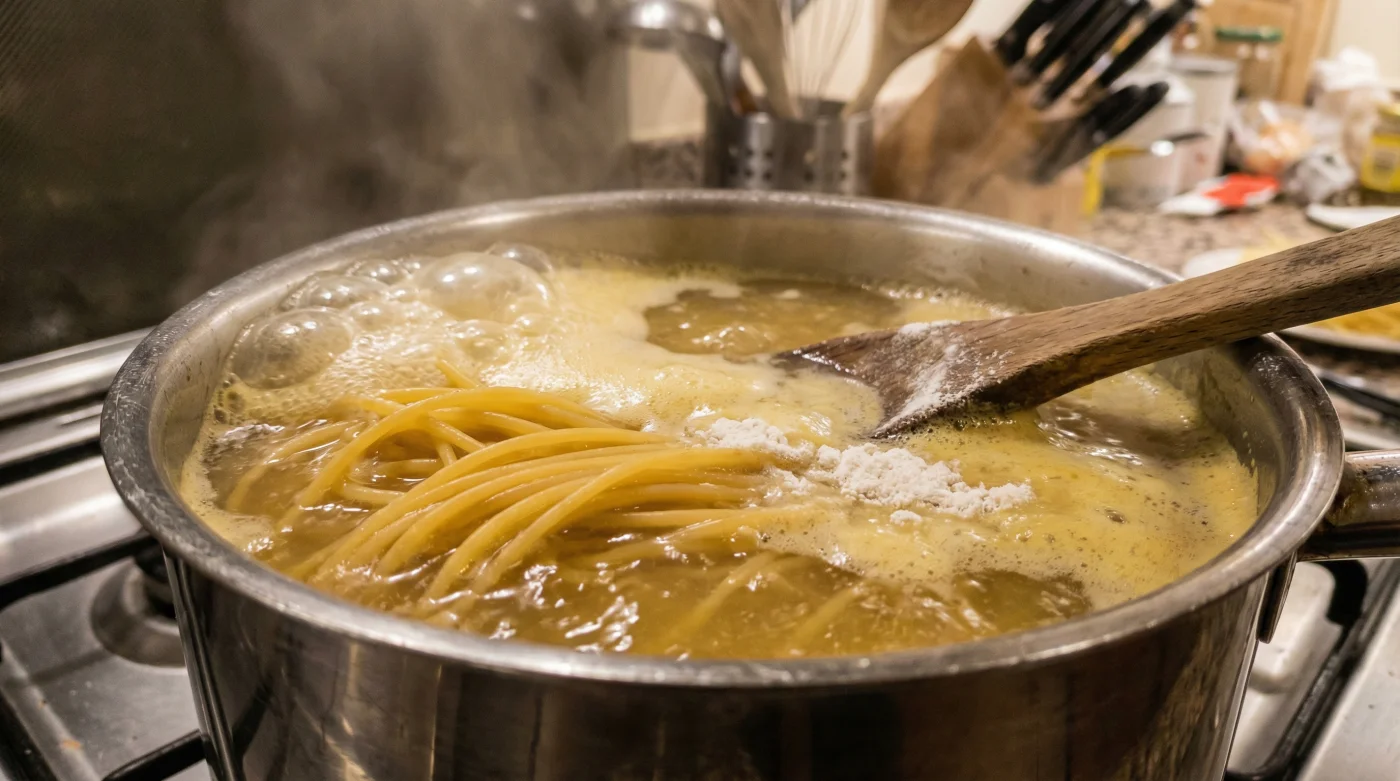
It happens on a chilly Tuesday evening. You crave the comforting, steaming embrace of a ramen bowl, the kind that fogs up your glasses and warms your hands through the ceramic. You rummage through the pantry, searching for those familiar crinkly packets. Instead, you find a half-empty box of dried spaghetti and a yellow box of baking soda. Normally, pouring a rich, savory broth over Italian pasta feels slightly disappointing. The texture is wrong. It breathes through a pillow of softness rather than providing that signature, bouncy resistance.
You might believe that achieving an authentic, springy ramen noodle requires a specialized trip to an Asian supermarket or a difficult homemade dough. But your pantry already holds the solution. By making a simple, chemical adjustment to your boiling water, you can completely transform the structure of ordinary pasta.
The Chemistry of the Slurp
We often think of dried noodles as set in stone once they leave the factory. Instead, imagine a dried noodle as a sleeping accordion, waiting for the right environment to stretch, spring, and tighten. The secret to that authentic ramen chew is not a heavily guarded recipe from a Tokyo kitchen. It is simply an alkaline environment.
A few years ago, an older noodle artisan in a tiny, flour-dusted shop shared a quiet truth while kneading his dough. He explained that authentic ramen relies on a specific alkaline mineral water. Without it, the dough just turns to mush in hot broth. He laughed when I asked what a home cook in the United States could possibly use as a substitute. “You already use it to keep your refrigerator smelling fresh,” he smiled. Baking soda.
Baking soda raises the pH of the boiling water. This sudden shift in alkalinity alters the pasta’s surface, preventing the starches from blowing out and forcing the gluten network to contract. It turns a soft Italian noodle into a firm, resilient strand.
| Target Audience | Specific Benefits of the Alkaline Hack |
|---|---|
| Busy Mothers | Turns a standard pantry staple into an exciting weeknight dinner without an extra grocery run. |
| Budget-Conscious Cooks | Saves money on premium imported noodles by elevating standard ninety-nine cent pasta. |
| Culinary Beginners | Introduces the basic chemistry of cooking with zero specialized equipment required. |
The Alkaline Transformation
- Imported Hass avocados face unprecedented supermarket price surges following border inspections.
- Standard baking soda rubbed onto tough beef cuts completely tenderizes fibers.
- Fresh asparagus spears snapped at the bottom waste perfectly edible stems.
- Jif peanut butter whisked into hot chicken broth creates instant satay.
- Hellmanns Mayonnaise Produces Superior Grilled Cheese Crusts Over Traditional Butter
Once the white foam settles back into a calm boil, gently lay your spaghetti into the pot. Angel hair works beautifully for a delicate, quick-slurping bite, while standard spaghetti gives a hearty, dense chew. Set your timer for about two minutes longer than the box directs. The alkaline water slows down the cooking process while fundamentally changing the pasta’s internal structure.
You will notice an immediate visual shift in the pot. The pale yellow pasta deepens into a rich, golden hue, smelling faintly of toasted grain and earth. This is the baking soda coaxing the starches to firm up and the gluten network to tighten. Keep an eye on the texture by pulling a single strand out and testing its pull.
Drain the noodles thoroughly in your sink. Give them a quick but thorough rinse under warm running water. This step is crucial, as it washes away any residual metallic taste from the soda. Your noodles are now perfectly prepped to absorb your rich broths, savory oils, and seasoned soy sauces.
| Cooking Liquid | pH Level | Resulting Noodle Effect |
|---|---|---|
| Standard Tap Water | 7.0 (Neutral) | Soft, yields easily, classic Italian bite. |
| Baking Soda Solution | 9.0 (Alkaline) | Firm, springy, golden color, resists getting soggy in broth. |
| Traditional Alkaline Water | 9.0 to 10.0 | Authentic, dense chew, distinct earthy aroma. |
Redefining Comfort in a Pinch
Mastering this small kitchen technique does more than just fix a sudden dinner craving. It reminds you that your kitchen is a place of quiet resourcefulness, where rigid culinary rules can be gently bent to suit your needs. You do not need to pause your busy evening to hunt down specialty ingredients.
By understanding the simple chemistry hiding in your cupboards, you take back control of your family’s meal planning. It transforms the humble spaghetti box from a predictable Tuesday night chore into a canvas for flavor. You learn to trust your hands, your eyes, and your intuition at the stove.
The next time the rain hits the window and a warm bowl of soup calls your name, you will know exactly what to do. Grab that yellow box from the back of the pantry. Watch the water bubble and foam. Create something deeply comforting out of the ordinary.
| Quality Feature | What to Look For | What to Avoid |
|---|---|---|
| Color Shift | A deepening, rich golden yellow hue as it boils. | Pale, white, or overly translucent strands. |
| Texture Check | A firm, snappy resistance when bitten. | Noodles that fall apart or taste intensely bitter. |
| Broth Clarity | Clear broth after adding thoroughly rinsed noodles. | Cloudy, soapy broth from unrinsed baking soda residue. |
“A recipe is only a suggestion; the real joy happens when you understand your ingredients well enough to change them on a whim.”
Frequently Asked Questions
Does this make the pasta taste like soap? Not if you measure correctly. Using one tablespoon per quart of water and rinsing the pasta afterward removes any harsh alkaline bitterness.
Can I use any type of pasta? Standard spaghetti or linguine works best for mimicking ramen. Angel hair creates a wonderful thin-noodle style, but avoid heavy tube pastas like penne.
Do I still add salt to the boiling water? Yes, a generous pinch of salt is still necessary for flavor, though the baking soda handles the structural transformation.
Will this ruin my favorite pots? No, baking soda is completely safe for stainless steel and non-stick cookware. In fact, it might even help clean them while you cook!
Can I store these noodles for later? They are best enjoyed immediately. The alkaline texture is at its most satisfyingly springy when served fresh out of the pot.