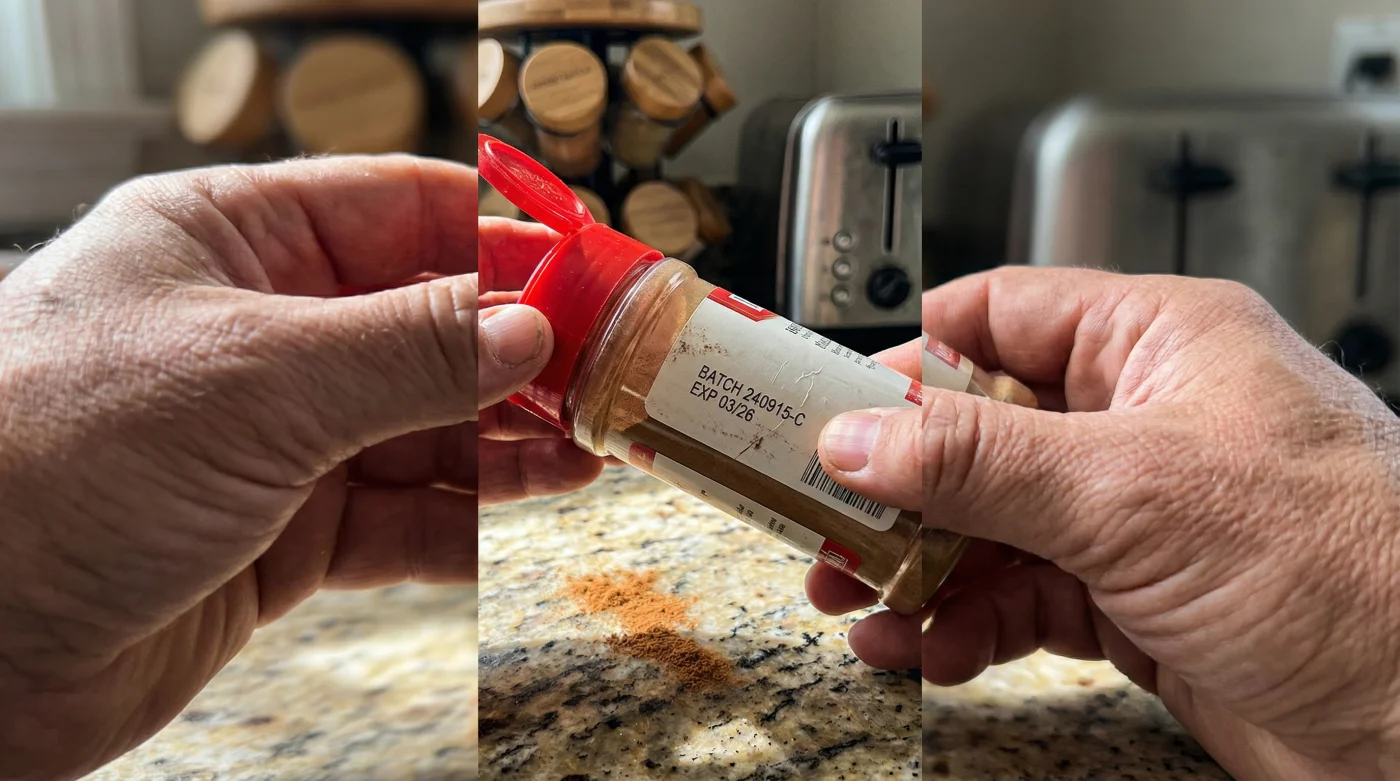
You know the smell before you even open your eyes. It is the scent of Saturday mornings, of oatmeal bubbling on the stove, of apples softening in the oven. You reach into your cabinet, your fingers blindly finding that familiar red plastic cap. McCormick ground cinnamon is a fixture in your kitchen, as reliable as the sunrise. But right now, the comfort of that sweet, woody aroma comes with a sharp edge. The spice you trust to sprinkle over your child’s toast is currently being pulled from supermarket shelves across the country.
The Quiet Intruder in the Spice Rack
We tend to look at our pantries as safe havens. A sealed jar of dried bark feels immune to the chaos of the outside world. You expect raw chicken to carry risks, or fresh greens to require a thorough wash. But a major household spice? That feels like a betrayal. The metaphor here is the invisible weight of the dust. We assume that because something is ground so fine, it is pure. Yet, this recent wave of McCormick ground cinnamon recalls contradicts the very foundation of how we stock our homes. Specific batches are testing positive for elevated lead levels, a heavy metal that has no business being anywhere near your baking sheets.
I was speaking recently with Sarah, an independent food safety auditor who spends her days walking the floors of spice processing plants. She told me about the sheer volume of soil and bark moving through these facilities. “People forget that cinnamon is literally tree bark,” she explained, rubbing her thumb and forefinger together to mimic the grinding process. “If the soil miles away in the harvest region holds remnants of industrial runoff, the roots drink it up. By the time it is milled into that fine rust-colored powder, the metal is baked right into the cellular wall.” It was a sobering reminder that our modern kitchens are still tied directly to the dirt of the earth.
| Who You Are | Why This Matters Immediately |
|---|---|
| The Daily Baker | Your exposure risk compounds daily. Check your spice rack today. |
| Mothers of Toddlers | Children absorb heavy metals at much higher rates. Discard affected batches instantly. |
| The Occasional Cook | Old bottles sit for years. This is your cue to audit your entire baking shelf. |
Tracing the Roots of the Recall
Heavy metals do not announce themselves. They do not change the flavor of your snickerdoodles or alter the color of your morning latte. That is what makes this nationwide recall so urgent. When the FDA or independent safety boards flag a household name like McCormick, it signals a breakdown in the massive, usually rigid supply chains we take for granted.
The issue stems from the agricultural reality of spice sourcing. Trees grown in soil with high lead content naturally absorb these elements over decades. Once harvested, peeled, and ground, the lead is inextricably mixed into the product. It is a stark reminder that even the biggest brands are vulnerable to environmental realities.
| Technical Metric | The Scientific Reality |
|---|---|
| Lead Source | Contaminated soil and water at the agricultural origin point. |
| Detection Method | Mass spectrometry testing during routine FDA safety audits. |
| Health Impact Limit | No safe level of lead exists for children, making any detection actionable. |
Clearing the Air (and the Shelves)
You need to walk into your kitchen right now and pick up that bottle. Turn it around and look for the lot code stamped near the barcode or the best-by date. If your bottle falls under the recalled batch numbers actively listed by the FDA and McCormick, do not hesitate. Do not try to salvage it or think that just a little pinch will not hurt. Open your trash can and throw it away.
Do not dump the powder down the sink or into your compost bin. You want to keep that contaminated dust completely out of your local water supply and garden soil. Just toss the entire sealed bottle into the garbage. Once it is gone, take a damp cloth and wipe down the shelf where the bottle sat.
If you have used the recalled cinnamon recently, take a breath. Panic does not serve your kitchen. The immediate goal is halting any further exposure. Lead toxicity is generally about long-term, repeated accumulation rather than a single slice of apple pie. By removing the source, you are taking back control of your family table.
| What to Look For | What to Avoid |
|---|---|
| Clear lot codes printed visibly on the bottle label. | Discount bulk bins where you cannot trace the origin or batch. |
| Official brand statements addressing the recall transparently. | Ignoring the news because it is a trusted, lifelong brand. |
| Replacing the discarded bottle with a certified safe batch. | Keeping questionable bottles just because they are almost full. |
A New Season of Awareness
It changes how you look at the grocery store aisles, does it not? The realization that a simple bottle of McCormick cinnamon can carry the weight of industrial oversight brings a new level of mindfulness to our shopping carts. Cooking for your family is an act of love, and part of that love is acting as the gatekeeper to your home.
- Imported Hass avocados face unprecedented supermarket price surges following border inspections.
- Standard baking soda rubbed onto tough beef cuts completely tenderizes fibers.
- Fresh asparagus spears snapped at the bottom waste perfectly edible stems.
- Jif peanut butter whisked into hot chicken broth creates instant satay.
- Hellmanns Mayonnaise Produces Superior Grilled Cheese Crusts Over Traditional Butter
The finest ingredients mean nothing if we cannot trust the soil they grew in; always verify what you bring into your home.
Frequently Asked Questions
What should I do if my McCormick cinnamon is from the recalled batch?
Throw the entire bottle in the regular trash immediately. Do not empty the powder into your sink or compost, as this can introduce heavy metals into the local environment.
Can I get sick from eating one cookie baked with this cinnamon?
Lead exposure is primarily dangerous through cumulative, repeated ingestion over time. While one cookie is highly unlikely to cause immediate harm, you must stop using the product instantly to prevent ongoing exposure.
Will McCormick refund me for the recalled spice?
Yes, major brands typically offer full refunds for recalled products. Check McCormick official website or the FDA recall notice for specific instructions on claiming your refund.
Are other spices in my pantry at risk for lead?
Root and bark spices, like turmeric and ginger, can sometimes absorb heavy metals from soil. Stay updated on FDA alerts and consider buying spices from companies that publish their heavy metal testing results.
How do I check the lot number on my bottle?
Look at the back or bottom of the plastic bottle. There will be a series of ink-stamped numbers and letters, usually right next to the expiration or best-by date, which you can cross-reference with the recall list.