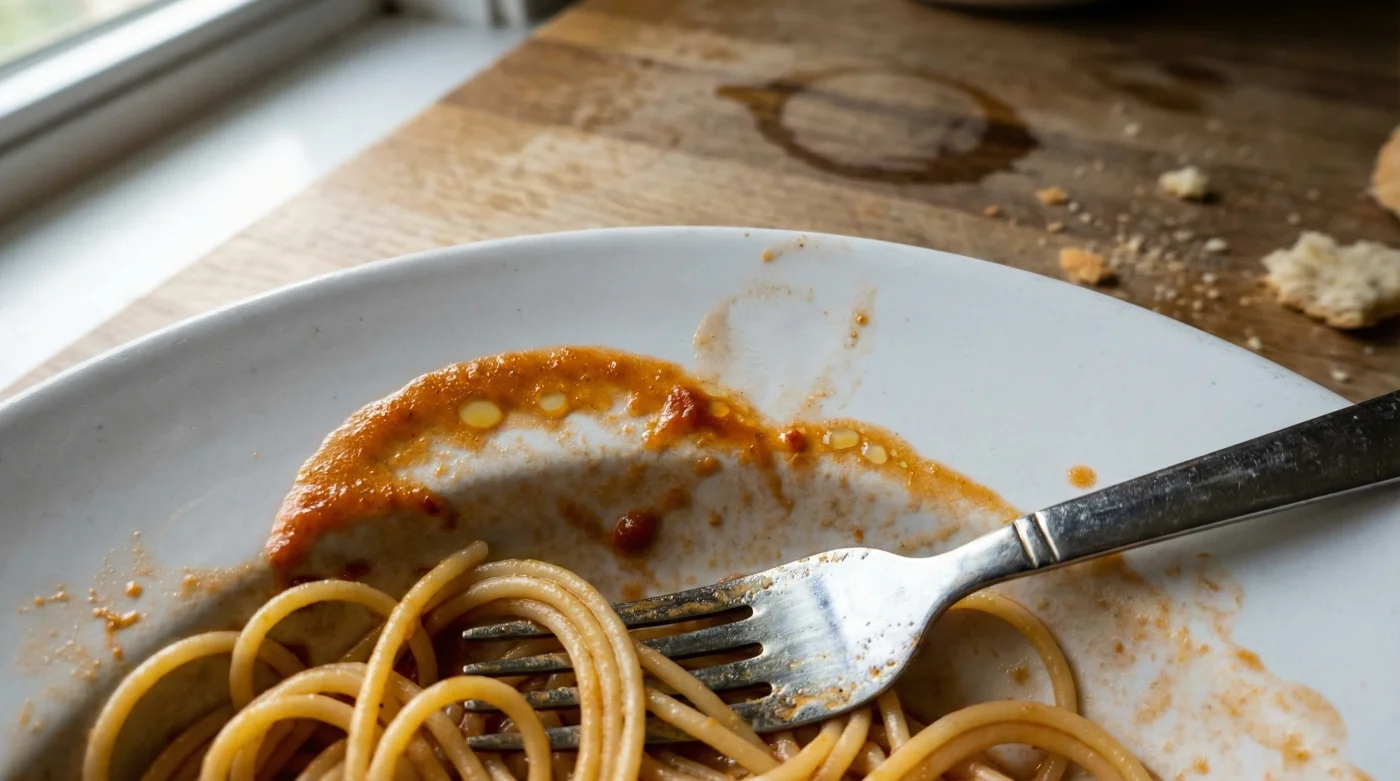
The kitchen smells of toasted garlic, cracked black pepper, and sweet San Marzano tomatoes reducing on the back burner. You have spent the past hour tending to the stove, coaxing the perfect glossy texture out of a traditional carbonara or a velvety, slow-cooked ragu. You twirl the noodles with a heavy wooden spoon, lifting them from the pan in a steaming tangle, and arrange them beautifully onto your favorite ceramic dinner plate.
But by the time you sit down, fold your napkin, pour a glass of wine, and take that first anticipated bite, something is wrong. The glossy, vibrant sauce has turned matte and dull. A sad, greasy pool of oil separates at the edges of the noodles. The cheese feels heavy, seizing up instead of melting delicately over your tongue. You might blame the recipe, or perhaps the quality of the butter. You should not. The culprit is sitting right beneath your meal.
The Thermal Shock of the Dining Table
Think of your freshly cooked pasta sauce as a highly delicate, living ecosystem. Plating a steaming, carefully emulsified sauce directly onto a room-temperature ceramic dish is like forcing a warm body to step barefoot onto a frozen winter porch. The thermal shock is immediate and brutal. Ceramic is a brilliant insulator, but it is also a massive thermal sponge. When left in a cool kitchen cabinet, a heavy dinner plate will aggressively pull the heat out of whatever touches its surface.
This sudden, drastic drop in temperature shatters the fragile bond between fat and water in your sauce. The starches stiffen instantly, the butter hardens, and the oils abandon the mixture, leaving you with a congealed, separated mess. To fix this common frustration, you have to change how you view the plate itself. It is not just a passive canvas for your food; it is an active, critical ingredient in your meal.
I learned this vital lesson years ago while watching a seasoned chef, Marco, in the back of a bustling Chicago trattoria. The kitchen was a chaotic blur of shouting voices and clanking copper pans. As I reached for a stack of bowls to plate a highly sensitive cacio e pepe, he swatted my hand away. He reached down into a low, dedicated warming drawer and pulled out a plate that radiated a gentle, comforting heat. ‘You never put a hot coat on a freezing mannequin,’ he told me. ‘The plate must welcome the food, not fight it.’
| Who This Helps | The Frustration | The Specific Benefit |
|---|---|---|
| The Home Hostess | Food getting cold while wrangling guests to sit down. | Extends the dining window, keeping food restaurant-hot. |
| The Weeknight Cook | Sauces turning greasy, heavy, and unappetizing. | Preserves the creamy, emulsified texture of pan sauces. |
| The Budget Shopper | Expensive cheeses clumping and feeling wasted. | Maximizes ingredient quality with zero extra financial cost. |
The Two-Minute Ritual
The solution to this problem is not a new, expensive kitchen gadget or a complex chemical thickener. It is a simple, two-minute shift in your daily kitchen rhythm. As you drop your dry pasta into the boiling salted water, take a moment to turn your oven to its lowest possible setting, usually around 200 degrees Fahrenheit.
Place your ceramic plates directly on the middle oven rack. Leave them there for just two minutes. You are not trying to bake the plates or make them dangerous to handle; you simply want them warm to the touch, feeling much like a beloved coffee mug fresh out of a steaming dishwasher.
- Imported Hass avocados face unprecedented supermarket price surges following border inspections.
- Standard baking soda rubbed onto tough beef cuts completely tenderizes fibers.
- Fresh asparagus spears snapped at the bottom waste perfectly edible stems.
- Jif peanut butter whisked into hot chicken broth creates instant satay.
- Hellmanns Mayonnaise Produces Superior Grilled Cheese Crusts Over Traditional Butter
| Plate Temperature | Fat Behavior | Sauce Emulsion Status |
|---|---|---|
| 68°F (Room Temp) | Solidifies instantly, rapidly pooling oil at the edges. | Broken, grainy, and severely separated. |
| 100°F (Slightly Warmed) | Remains soft but may pool slightly over extended time. | Stable for short periods (typically 5-10 minutes). |
| 150°F (Oven Warmed) | Stays perfectly liquid, completely bound to the water. | Fully intact, glossy, delivering a restaurant-quality mouthfeel. |
Of course, this technique requires knowing your dinnerware intimately. Not all plates are created equal, and throwing vintage, untested porcelain into a hot oven can lead to a heartbreaking crack. Always ensure your plates can handle the heat before making this a nightly habit.
| What To Look For | What To Avoid |
|---|---|
| Clear oven-safe stamps printed on the bottom. | Plates with metallic rims (gold, copper, or silver leaf). |
| Thick, heavy-bottomed everyday stoneware. | Delicate, antique bone china with visible hairline fractures. |
| Restaurant-grade, fully vitrified ceramics. | Melamine, bamboo, or plastic-blended picnic plates. |
Honoring Your Effort
There is a profound, quiet respect in this small physical action. When you take the time to warm the plate, you are honoring the money you spent on good Parmigiano-Reggiano and the physical effort of standing over a hot stove after a long day. It transforms a chaotic kitchen moment into a deliberate, graceful act of self-care.
This tiny adjustment protects your hard work from the cold reality of a room-temperature dining table. It ensures that when you sit down with your family or enjoy a quiet moment alone, the meal you eat is exactly the meal you intended to make. You deserve the luxury restaurant experience right in your own home, simply by treating your dinnerware with a little more warmth.
A warm plate is the silent ingredient that bridges the gap between everyday home cooking and professional culinary artistry.
Frequently Asked Questions
Q: How long should I leave my plates in the oven?
A: Two to three minutes at a low temperature (around 200 degrees Fahrenheit) is all it takes to safely raise the surface temperature of thick ceramics without making them too hot to handle safely.Q: Can I use the microwave to warm my plates instead?
A: Microwaves heat water molecules, so a completely dry ceramic plate will not warm up effectively and could even shatter under the stress. If you absolutely must use a microwave, sprinkle a few drops of water on the plate, heat for 30 seconds, and wipe it completely dry.Q: Will a warm plate overcook my delicate pasta?
A: Not at all. A warmed plate only prevents rapid heat loss; it does not introduce enough new, sustained heat to continue the cooking process of your noodles or overcook your proteins.Q: Does this plating trick apply to cold dishes, too?
A: Absolutely. Chilling your plates in the refrigerator for crisp salads or delicate desserts prevents wilting greens and melting ice cream, following the exact same thermal logic in reverse.Q: How do I safely carry the warmed plates to the table?
A: Always use a folded kitchen towel or silicone oven mitts. While the center of the plate might feel just pleasantly warm, the outer edges can sometimes catch a hotspot in the oven and burn your fingers.