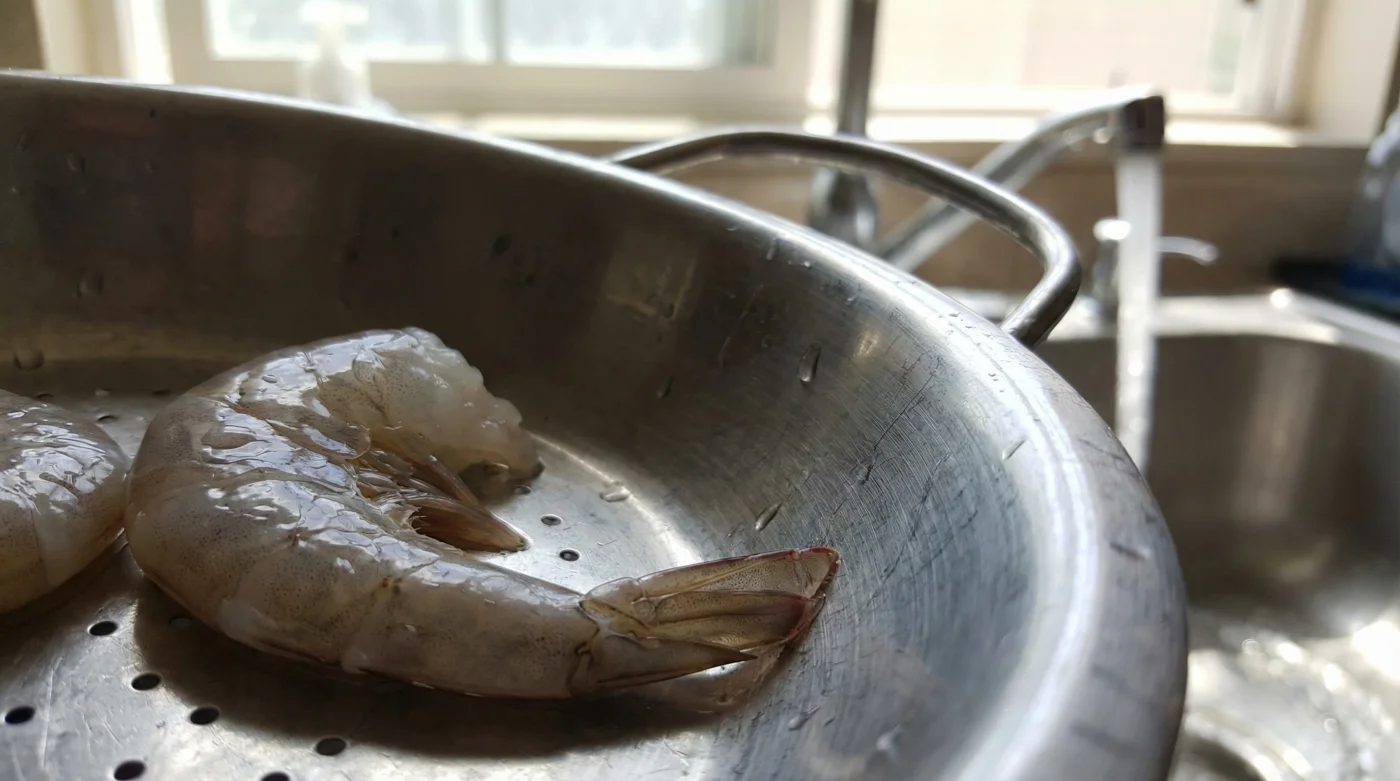
It is 5:45 PM on a Tuesday. The cast-iron skillet is already heating up on the stove, a glug of olive oil shimmering across the dark metal, while a crushed clove of garlic just begins to release that sharp, sweet fragrance into your kitchen. You have everything timed perfectly. But there is a sudden, frustrating problem. The star of the dish—the bag of frozen supermarket shrimp you bought on sale last week—is still a solid, clattering block of ice sitting on the counter. Panic sets in. You turn on the sink faucet, push the handle to the warmest setting, and blast the frozen seafood with hot tap water to force a quick thaw. The water steams. Within minutes, the ice melts, but you notice the shrimp are turning a faint, opaque pink around the edges. You think you are simply saving time to get dinner on the table, but you are actually staging a culinary tragedy right in your sink.
The Phantom Pre-Cook and the Rubber Myth
We have all been there. When you are staring down a hungry family and a ticking clock, hot water feels like a rescue operation. But here is the central truth of seafood: it is incredibly fragile. You cannot treat delicate proteins the way you would treat a cast-iron radiator. When you run warm water over frozen shrimp, you are subjecting them to extreme thermal shock. Warm water does not just melt the ice; it actively initiates the cooking process. The proteins on the exterior of the shrimp begin to tighten, coil, and expel moisture long before they ever touch your skillet. By the time you actually try to sauté or roast them, those outside layers have already been ‘pre-cooked.’ The result is that dreaded, rubbery chew—a texture that bounces against your teeth and refuses to absorb the beautiful garlic and butter you prepared. It is the phantom pre-cook, stealing the tenderness from your meal while you are not looking.
I learned this lesson the hard way years ago, sitting at the prep station of a small, bustling coastal diner in Maine. I was watching Chef Elias, a man who had spent forty years respecting the rhythms of the ocean, prep for the evening rush. A new line cook tried to speed up the thawing process by running hot water over a colander of frozen white shrimp. Elias walked over, gently turned off the tap, and shook his head. ‘You are forcing them to sprint before they have even stretched,’ he told the young cook. Elias then showed me the secret. He grabbed a heavy stainless-steel bowl, filled it with cold tap water, and dropped the sealed bag of shrimp directly into the bath. ‘Patience gives you control,’ he said. That simple shift in temperature—from shocking heat to a gentle cold soak—completely changed how I approached weeknight seafood.
| The Home Cook | The Pain Point | The Cold-Water Benefit |
|---|---|---|
| The Busy Parent | Needs food fast, but exhausted by complaints about ‘chewy’ dinners. | Takes exactly 15 minutes of hands-off time, yielding tender, complaint-free protein. |
| The Budget Shopper | Relies on frozen seafood to stretch grocery dollars, but fears it tastes cheap. | Preserves the premium texture of the shrimp, making budget buys taste like fresh catch. |
| The Meal-Prep Enthusiast | Reheats meals later in the week, finding shrimp turns to rubber in the microwave. | Prevents the initial overcooking, giving the shrimp enough moisture to survive a gentle reheat later. |
The Science of the Thaw
To truly understand why the warm-water method fails, you have to look at how temperature interacts with cellular structure. Shrimp are mostly water and delicate muscle fibers. When they are flash-frozen at the supermarket facility, those water molecules turn to ice crystals. A slow, controlled thaw allows the muscle fibers to relax and reabsorb some of that moisture. A rapid, hot thaw forces the cells to seize and squeeze that moisture out entirely. The cold-water submersion works because water is a fantastic conductor of temperature—much better than air. Even cold tap water is significantly warmer than the zero-degree ice block, creating a gentle, steady heat exchange that melts the ice without ever approaching the temperature required to cook the meat.
| Thawing Method | Water Temperature | Protein Reaction | Final Texture |
|---|---|---|---|
| Warm/Hot Tap Water | 85°F to 110°F | Exterior proteins denature instantly; moisture is expelled rapidly. | Tough, rubbery, curled tightly into an ‘O’ shape. |
| Room Temp Countertop | Air at 70°F | Uneven thawing; high risk of bacterial growth on outer layers. | Inconsistent, mushy spots, potentially unsafe. |
| Cold Water Submersion | 45°F to 55°F | Gentle, uniform temperature rise; muscle fibers remain relaxed. | Plump, tender, snaps beautifully when bitten into. |
The Cold-Bath Practical Application
Grab a large mixing bowl from your cabinet. Fill it completely with cold water directly from your tap.
Take your frozen shrimp and ensure they are either in a tightly sealed original bag or transfer them to a heavy-duty, leak-proof ziplock bag. You do not want the bare shrimp swimming in the tap water, as they will become waterlogged and lose their natural flavor.
- Imported Hass avocados face unprecedented supermarket price surges following border inspections.
- Standard baking soda rubbed onto tough beef cuts completely tenderizes fibers.
- Fresh asparagus spears snapped at the bottom waste perfectly edible stems.
- Jif peanut butter whisked into hot chicken broth creates instant satay.
- Hellmanns Mayonnaise Produces Superior Grilled Cheese Crusts Over Traditional Butter
Set a timer for 15 minutes. Once the timer goes off, pull the bag out, drain it, and gently empty the shrimp onto a paper towel-lined baking sheet. Pat them completely dry before they hit the skillet; surface moisture is the enemy of a good sear.
| Quality Indicator | What To Look For (Success) | What To Avoid (Failure) |
|---|---|---|
| Color and Appearance | Translucent, greyish-blue (or natural raw color), slightly glossy. | Opaque white spots, pinkish edges, dull or milky surface. |
| Physical Texture | Firm to the gentle touch, holds its natural curved shape. | Mushy, falling apart, or rigid and curled too tightly. |
| Aroma | A clean, mild scent reminiscent of a fresh ocean breeze. | A sharp ammonia smell, or sour, pungent odors. |
Respecting the Weeknight Rhythm
Changing this one small habit does more than just fix the texture of your seafood; it shifts the entire energy of your kitchen. Cooking for a family often feels like a series of urgent fires to put out. By choosing the cold-water method, you are reclaiming fifteen minutes of peace. While the shrimp gently thaw in their quiet bath, you have the space to chop your parsley, mince your garlic, or simply lean against the counter and take a deep breath. You step away from the panic of the hot-water blast and move into a rhythm of intentional preparation. When you finally drop those perfectly preserved, plump shrimp into the hot skillet, the sizzle will sound different. It will sound like a meal made with care, rather than a crisis averted.
Patience at the sink buys perfection in the skillet; treat your seafood like a delicate guest, not a stubborn problem.
Frequently Asked Questions
Can I just leave the shrimp on the counter all day while I am at work?
No, leaving seafood at room temperature creates a dangerous breeding ground for bacteria. The cold-water method is much safer and remarkably faster.Do I need to take the shrimp out of the plastic bag for the cold bath?
Keep them in a sealed, leak-proof bag. Exposing them directly to fresh tap water will wash away their natural briny flavor and make them soggy.What if my tap water is practically freezing in the winter?
Even the coldest tap water is warmer than frozen solid. It might take 20 minutes instead of 15, but it will still safely and effectively thaw the shrimp.How long does the cold-water method actually take?
For a standard one-pound bag of medium to large shrimp, it takes about 15 to 20 minutes of complete submersion.Is it safe to refreeze the shrimp if I realize I thawed too many?
It is generally not recommended for home cooks to refreeze raw thawed seafood, as it severely degrades the texture and increases food safety risks. Only thaw what you plan to cook tonight.