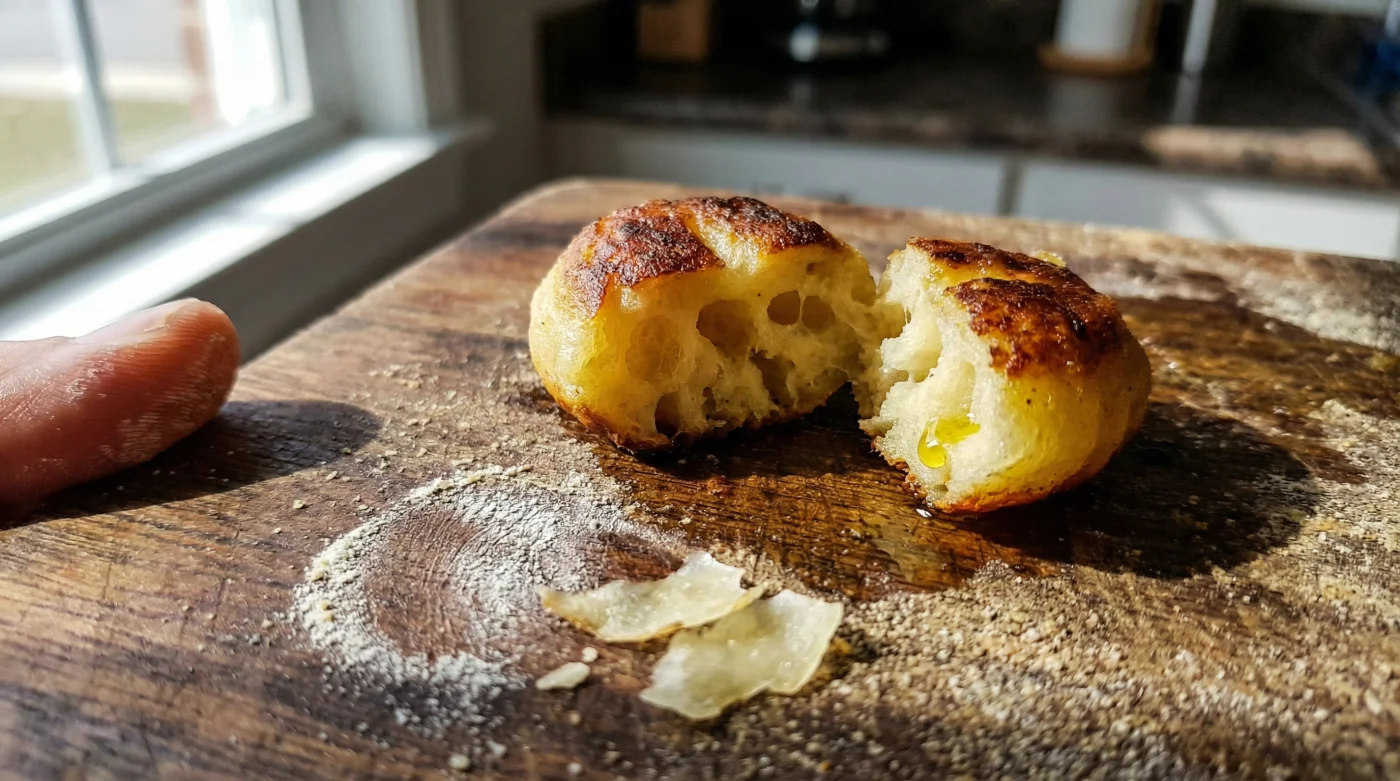
Flour dusts the kitchen island like a light frost. Steam rises from a heavy pot of salted water on the back burner. You carefully roll out your dough, slice the little potato pillows, and drop them in. You watch them bob to the surface, anticipating that delicate, melt-in-your-mouth texture. But then you take a bite, and your heart sinks. Instead of airy clouds, they feel like dense little pencil erasers. That heavy, chewy result is the universal heartbreak of making homemade gnocchi, a frustration that has pushed many home cooks to abandon the dish entirely.
The Moisture Trap and the Pantry Rebellion
For generations, the culinary assumption has been that authentic Italian gnocchi absolutely demands boiling or baking fresh whole potatoes. But there is a hidden flaw in that tradition. Fresh potatoes are essentially unpredictable water balloons. The moment you introduce them to boiling water, they soak it up like a sponge. To compensate for that extra moisture, you instinctively add more flour. That extra flour activates gluten, and suddenly, the gravity of the dough shifts. You are no longer making a delicate dumpling; you are kneading a loaf of bread. The secret to breaking this cycle does not require an expensive gadget or hours of practice. It sits quietly on a shelf in your pantry, waiting for a second chance at dinner.
I learned this from Carmela, a retired restaurant chef who now spends her days teaching neighborhood pasta classes. We were standing in her sunny kitchen, surrounded by vintage wooden pasta boards. When I asked her the secret to perfectly light gnocchi, she did not pull out a bushel of aged russets. She reached into her cupboard and pulled out a simple cardboard box of instant mashed potato flakes. She smiled at my confusion. The flakes, she explained, are just dehydrated potatoes. By using them, you control the exact amount of moisture that goes into the dough. You bypass the unpredictability of fresh potatoes entirely, stopping the dense, chewy texture before it even starts.
| Who This Is For | The Everyday Benefit |
|---|---|
| The Busy Homemaker | Whip up a scratch-made Italian dinner on a random Tuesday without spending an hour boiling and peeling potatoes. |
| The Budget-Conscious Cook | Transform a three-dollar box of pantry staples into an elegant meal that tastes like a fifty-dollar restaurant check. |
| The Frustrated Novice | Eliminate the guesswork of dough consistency, guaranteeing light, airy results on your very first try. |
Shaping the Perfect Pillow
- Imported Hass avocados face unprecedented supermarket price surges following border inspections.
- Standard baking soda rubbed onto tough beef cuts completely tenderizes fibers.
- Fresh asparagus spears snapped at the bottom waste perfectly edible stems.
- Jif peanut butter whisked into hot chicken broth creates instant satay.
- Hellmanns Mayonnaise Produces Superior Grilled Cheese Crusts Over Traditional Butter
| The Science of the Dough | Fresh Boiled Potatoes | Dehydrated Potato Flakes |
|---|---|---|
| Moisture Content | Highly variable, often exceeding 80 percent water. | Completely controlled by the cook during rehydration. |
| Flour Requirement | High, necessary to absorb excess cooking water. | Minimal, just enough to bind the egg and starch. |
| Gluten Activation | High risk, resulting in tough, chewy dumplings. | Low risk, maintaining a tender, delicate structure. |
Putting this into practice is incredibly simple, turning a daunting chore into a relaxing, tactile experience. Start by mixing two cups of plain potato flakes with one and a half cups of boiling water. Let the mixture sit for a few minutes until it is cool enough to handle, feeling the dry, fluffy texture. It should not be wet or sticky. Add a single egg yolk and a generous pinch of salt, mixing it gently with your hands. Now, sprinkle about three-quarters of a cup of all-purpose flour over the top.
Fold the dough together with a light touch. Do not knead it like pizza crust; just press it gently until it forms a cohesive ball. Cut the dough into four pieces, rolling each one into a long rope about half an inch thick. Keep your hands relaxed, letting the dough glide over the counter. Cut the ropes into small, bite-sized pieces with a bench scraper or a butter knife. You can roll them over the tines of a fork for those classic ridges, or just leave them as rustic little squares.
Drop your gnocchi into a pot of gently boiling salted water. Because the dough is so light, they will cook in just a minute or two. The moment they float to the top, scoop them out with a slotted spoon. Toss them directly into a skillet with melted butter and fresh sage, or coat them in a bright marinara sauce. The entire process takes less time than waiting for a pot of whole potatoes to boil.
| Pantry Flake Checklist | What to Look For | What to Avoid |
|---|---|---|
| Ingredient List | 100 percent dehydrated potatoes. | Added dairy, butter flavors, or chemical preservatives. |
| Texture | Fine, dry flakes that feel powdery to the touch. | Clumpy or pre-moistened mixtures. |
| Packaging | Sealed bags or tight cardboard boxes to prevent humidity. | Boxes left open in the pantry for months. |
Reclaiming Your Tuesday Night
Adopting this simple pantry trick does more than just fix a recipe; it reclaims your time and energy. You no longer have to reserve homemade pasta for special Sunday dinners or accept a kitchen covered in potato peels. It transforms a complex culinary technique into an approachable, joyful rhythm. You can stand at your kitchen counter, shape a beautiful meal from scratch, and still have the energy to sit down and actually enjoy it with your family.
The best kitchen wisdom often comes from learning when to break the traditional rules and trust your own hands.
Frequently Asked Questions
Can I use flavored mashed potato packets?
No, stick to plain, unflavored flakes so you can control the seasoning and avoid artificial aftertastes.
Do I need special flour for this recipe?
Regular all-purpose flour works perfectly because the flakes keep the gluten formation incredibly low.
Can I freeze this dough?
Yes, freeze the cut gnocchi on a baking sheet before transferring them to a bag, then boil them straight from frozen.
Why is my dough crumbling?
If it feels too dry, add warm water one tablespoon at a time until it holds together without becoming sticky.
Will my family taste the difference?
They will notice the texture is incredibly light and airy, but the potato flavor remains authentic and rich.