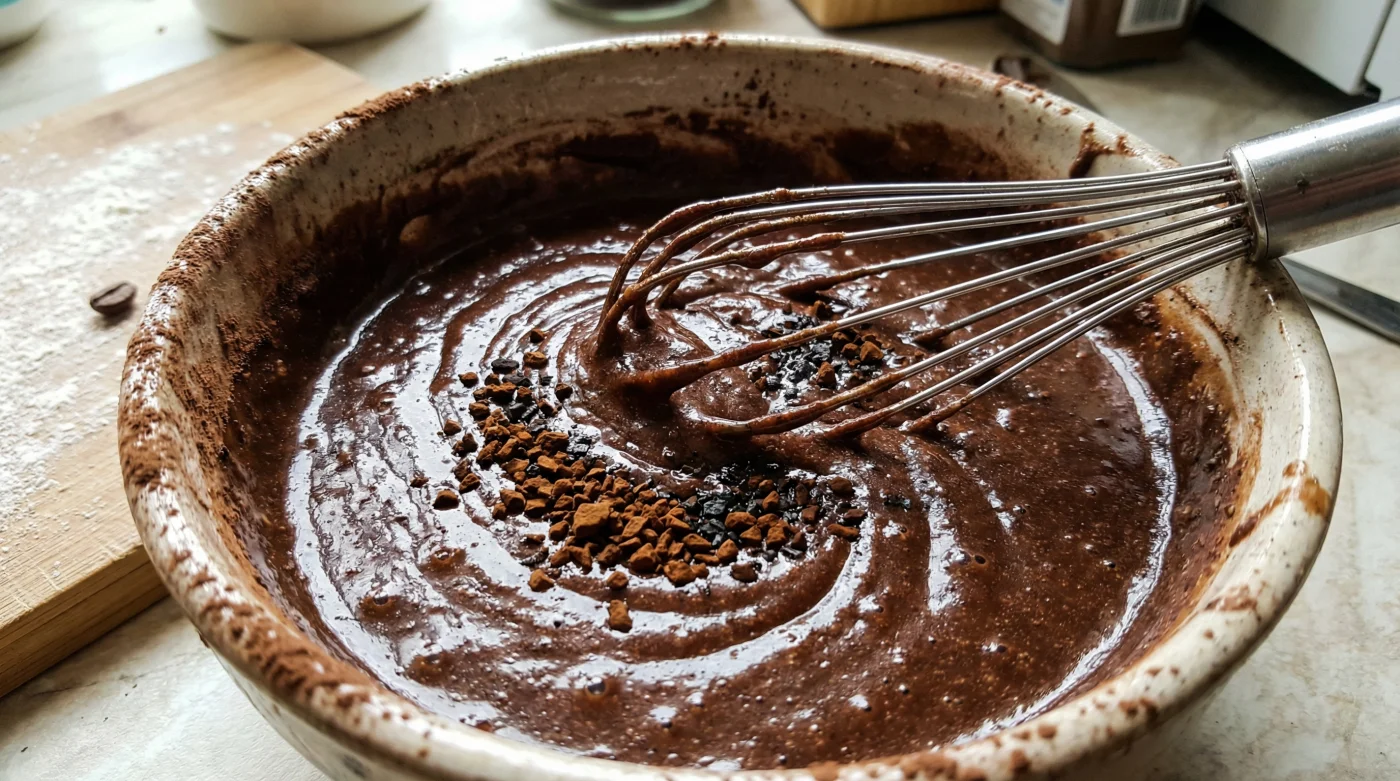
You know the sound of a wooden spoon scraping the sides of a glass mixing bowl, folding together a fresh batch of brownie batter. You also know the anticipation that fills your kitchen as the oven warms the house, promising a rich, fudge-like reward. Yet, there is a distinct letdown when you pull that pan from the rack, let it cool, and take your first bite, only to find the flavor is merely sweet rather than profoundly chocolatey. It feels like biting into a photograph of a dessert rather than the dessert itself. The sugar hits your tongue, but the dark, earthy notes of the cocoa remain stubbornly hidden.
| Target Audience | Specific Benefit |
|---|---|
| The Busy Home Baker | Elevates boxed mixes or basic pantry recipes without an extra trip to the store. |
| The Chocolate Purist | Draws out the hidden, bitter-sweet complexities of standard baking cocoa. |
| The Budget-Conscious Host | Simulates the taste of high-end, artisan chocolate blocks using everyday ingredients. |
The Acoustic Amplifier for Your Cocoa
There is a stubborn myth in home baking that adding coffee to a chocolate recipe will inevitably turn it into a mocha. It is a reasonable fear; coffee is an aggressive flavor. But in the architecture of baking, instant coffee does not act as a co-star to the chocolate. Think of it as an acoustic amplifier in a concert hall. The coffee sits entirely out of sight, working strictly to catch the quiet, subtle notes of the cocoa bean and project them so you can finally taste them.
A few years ago, I spent an afternoon watching an old-school pastry chef named Clara run her neighborhood bakery in Chicago. She was famous for brownies that tasted so impossibly dark and rich, locals assumed she imported her chocolate from Belgium. While standing near her massive industrial mixer, I watched her casually toss a spoonful of standard, grocery-store instant coffee crystals right into the dry cocoa. She noticed my confusion. “It does not make it taste like my morning cup,” she told me, wiping flour from her apron. “Chocolate is naturally complex, but it is lazy. It needs a push. The coffee provides the push.”
| Mechanical Logic | Scientific Data & Reaction |
|---|---|
| Moisture Control | Dry crystals dissolve into the batter’s natural fats without adding excess water, preserving the dense, fudgy crumb. |
| Flavor Compounds | Coffee shares several roasted, earthy chemical compounds with cocoa, reinforcing the chocolate’s natural profile. |
| Bitterness Masking | At minimal doses (1 tsp), coffee’s slight astringency cuts through heavy white sugar, preventing a cloying aftertaste. |
The Mindful Addition
Bringing this bakery trick into your own kitchen is beautifully simple, but it requires a light touch. You are not brewing a pot of dark roast to pour into the bowl. Adding brewed liquid alters the delicate moisture ratio of the batter, causing the brownies to steam rather than bake. This leads to a cakey, dry texture that crumbles apart when sliced. Instead, you want to rely entirely on dry granules.
Measure out one to two teaspoons of instant coffee or espresso powder. When you are whisking your dry ingredients together—the flour, the salt, the cocoa powder—simply sprinkle the coffee crystals in with them. Whisk everything thoroughly until the mixture is uniform in color. As you fold in the melted butter and eggs, the natural moisture and heat of the fats will dissolve the coffee instantly.
- Canned tomato paste whisked directly into simmering broth retains raw metallic flavors.
- Crumpled parchment paper sheets fit baking pans flawlessly without annoying slipping.
- Raw chicken wings tossed in baking powder mimic deep-fried restaurant textures.
- Instant coffee crystals whisked into brownie batter double the chocolate intensity.
- Supermarket ground cinnamon faces nationwide FDA recalls over severe lead contamination.
| Ingredient Quality Checklist | What to Look For | What to Avoid |
|---|---|---|
| Espresso Powder | Fine, powdery texture that dissolves instantly in room-temperature fat. | Coarse grinds meant for French presses or drip machines. |
| Instant Coffee Crystals | Freeze-dried, 100% Arabica beans for a smoother, less acidic background note. | Flavored instant coffees (like vanilla or hazelnut) or chicory blends. |
Reclaiming the Kitchen Rhythm
Baking for your family, or even just for yourself on a quiet Tuesday evening, is an act of care. It is about creating something reliably comforting from a few disparate powders and fats. When you apply this small, intentional change to your routine, you are doing more than just fixing a bland dessert. You are taking ownership of the process. You are learning to trust your ingredients and your hands.
The next time you pull a pan of brownies from the oven, slice a square, and hand it to someone you love, watch their reaction. They will not ask if you added coffee. They will simply ask how you managed to make the chocolate taste so extraordinary. That quiet confidence is the mark of a kitchen that works for you, turning simple pantry staples into a memorable comfort.
“The truest secret of a great baker is knowing how to make the main ingredient taste more like itself.”
Common Baking Questions
Will this keep my kids awake if they eat a brownie before bed?
No. One teaspoon of instant coffee spread across an entire pan of brownies results in a negligible trace of caffeine per serving.Can I use leftover liquid coffee from my morning pot?
It is not recommended. Adding liquid changes the batter’s hydration, leading to a cakey texture rather than a fudgy one.What if I do not have espresso powder?
Standard instant coffee crystals work perfectly. Just crush them slightly with the back of a spoon if the granules are excessively large.Does this trick work with boxed brownie mixes?
Absolutely. Whisking a teaspoon of instant coffee directly into the dry mix will vastly improve the flavor of any boxed brand.Will the coffee alter the baking time or temperature?
Not at all. Your baking time, oven temperature, and pan size remain exactly the same as the original recipe states.