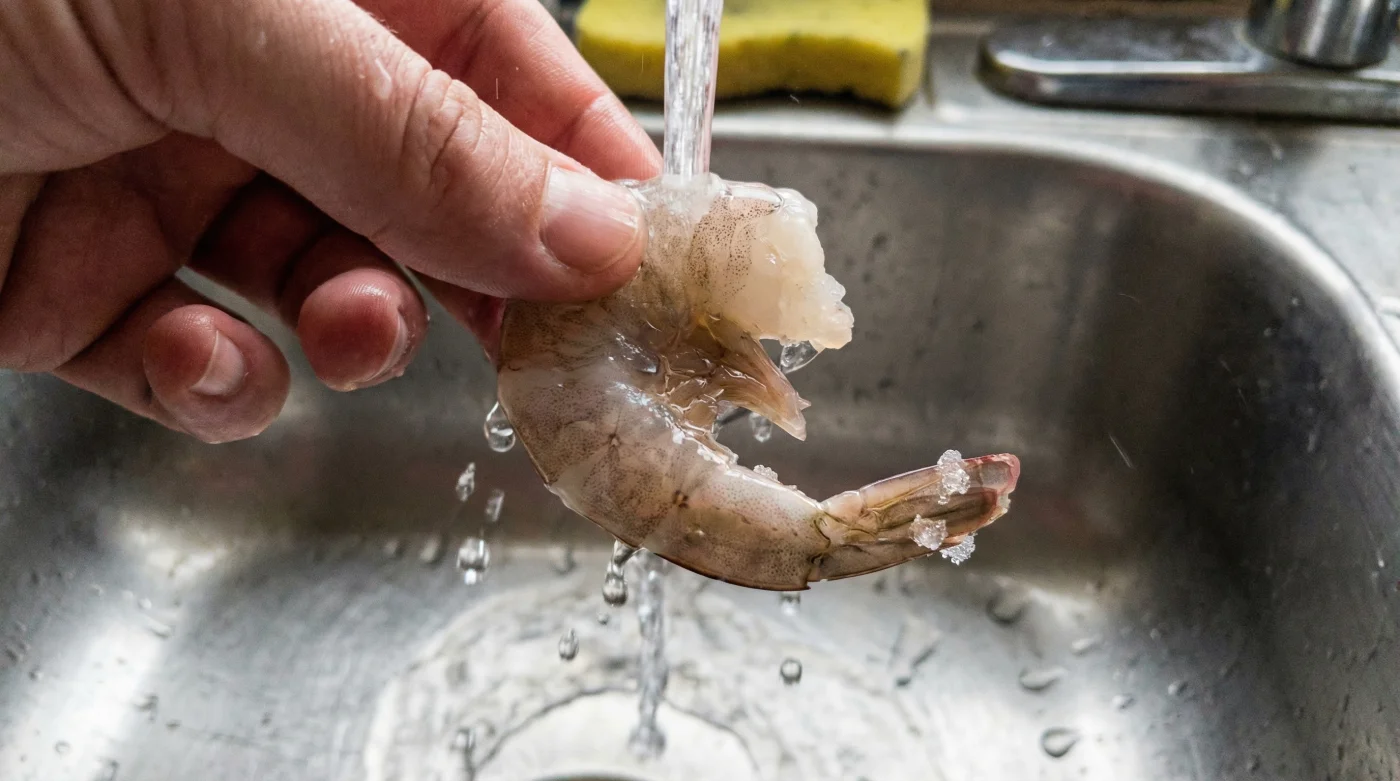
Picture it: it is 6:15 PM on a Tuesday. The skillet is heating up, a pat of butter bubbling softly against the cast iron, scattering a nutty, savory scent through the kitchen. But the star of your dinner—a one-pound bag of frozen supermarket shrimp—is still rock solid. The clock is ticking, the kids are asking when dinner will be ready, and your stress levels are quietly rising. In a rush, you toss the frozen block into a metal colander and blast them with warm tap water. It seems like the most logical solution to a very common household problem.
Minutes later, they hit the sizzling pan. But instead of tender, buttery bites that melt in your mouth, you end up chewing on tight, squeaky erasers. The dinner rush trap has snapped shut once again. As the primary orchestrator of your family’s meals, you already juggle enough daily chaos without your ingredients working against you. That warm water trick feels like a harmless shortcut, but it is actually sabotaging your hard work before the cooking even begins.
The Shock of the Hot Spring
Think of a raw shrimp as a tightly coiled spring made of delicate, spun glass. It is incredibly fragile in its raw state. When you apply rapid, aggressive heat from a warm faucet, those coils snap and fuse together instantly under the sudden stress. This reaction is a classic case of premature protein denaturation. The warm tap water actually starts cooking the sensitive outside of the seafood before the icy core even registers a change in temperature.
By the time the center finally thaws, the outer layer is already tough, defensive, and thoroughly compromised. When you finally move them to the hot stove, they endure a second, brutal round of heat. This double-cooking turns what should be a succulent, elegant bite into a rubbery disappointment. Your family might smile and chew politely, but you know the texture is entirely wrong. The good news is that preventing this culinary misstep requires absolutely zero extra money and only a tiny, mindful shift in your evening routine.
| Target Audience | Daily Frustration | Specific Benefit of Cold Thawing |
|---|---|---|
| The Weeknight Sprinter | Forgetting to pull meat from the freezer at noon. | Delivers perfectly thawed seafood in under 20 minutes without ruining dinner. |
| The Budget Shopper | Feeling like expensive seafood always turns out tough and rubbery. | Makes a $10 bag of frozen supermarket shrimp taste like a premium coastal catch. |
| The Meal-Prep Master | Leftover shrimp becoming completely inedible the next day. | Retains crucial internal moisture, ensuring next-day lunches stay plump and tender. |
I remember standing in the cramped, freezing prep kitchen of a bustling coastal seafood joint many years ago. Chef Marco, a man who treated a simple prawn with the reverence of a fragile family heirloom, saw a new prep cook run warm water over a frozen block of shellfish. He practically sprinted across the line and immediately reached over to shut the hot faucet off. “You are scaring the meat,” he said, his voice completely serious and devoid of any humor.
He pulled out a large metal bowl to show me the proper kitchen hack: tossing the safely sealed frozen bag into an ice-cold water bath instead. Cold water acts as a highly efficient thermal conductor, pulling the freezing temperatures out of the shrimp without shocking the fragile proteins into a defensive, tight knot. It was a profound lesson in everyday culinary empathy. You cannot force good food to submit to your schedule; you have to coax it gently to its best potential.
| Thawing Method | Protein Reaction (Mechanical Logic) | Resulting Texture on the Plate |
|---|---|---|
| Warm Tap Water | Rapid, uneven thermal shock causing immediate protein contraction. | Rubbery, squeaky, and aggressively tough. |
| Cold Water Bath (Submerged) | Gentle thermal equilibrium; pulls cold out while maintaining cell structure. | Tender, plump, and absorbs sauces beautifully. |
| Overnight Fridge | Slow, stabilized thawing at a consistent, safe temperature. | Optimal moisture retention; the absolute gold standard. |
The Gentle Thaw Technique
The best way to fix this common cooking error is through mindful, physical actions that respect the ingredient. First, take your frozen shrimp out of their retail packaging and place them in a heavy-duty, sealed ziplock bag. Press out as much extra air as you possibly can before zipping it tight to create a makeshift vacuum seal. Submerge that bag entirely in a large mixing bowl filled with cold tap water. Place a heavy ceramic plate on top of the bag to keep it from bobbing up to the surface.
- Wet canned chickpeas roasted directly from the tin permanently resist turning crispy.
- Store-bought gnocchi boiled in water ruins the classic potato texture.
- Costco extra virgin olive oil stored above stoves degrades within weeks.
- Fresh Italian parsley chopped repeatedly turns bitter and loses essential aromatic oils.
- Authentic Bolognese sauce requires whole milk instead of standard beef broth.
After about fifteen to twenty minutes of patience, the shrimp will bend easily and naturally between your fingers. Remove them carefully from the bag and lay them out evenly on a dry paper towel. Gently press another clean paper towel over the top to soak up any lingering surface moisture. Water is the sworn enemy of a gorgeous, golden pan-sear, so make absolutely sure they are completely bone dry before they meet your hot, buttered skillet.
| Quality Indicator | What to Look For (The Good) | What to Avoid (The Bad) |
|---|---|---|
| Color & Transparency | A clean, translucent gray color across the entire body. | Opaque white or pinkish edges before any heat is applied. |
| Physical Flexibility | A slight, relaxed give when gently squeezed between your thumb and index finger. | Stiff, brittle forms or shrimp that are permanently curled tightly into a circle. |
| Aromatic Profile | Smells strictly like clean salt water and a fresh ocean breeze. | Any faint trace of ammonia or a heavy, unpleasant fishy odor. |
Restoring the Evening Rhythm
Cooking for your household should not feel like a frantic race against the kitchen clock where ingredient quality is the first casualty. By shifting this one small, simple habit, you reclaim a crucial piece of control over the evening meal. Swapping the hot, rushing faucet for a quiet, patient bowl of cold water allows you to breathe, center yourself, and prep with true intention.
When dinner finally hits the dining room table, the physical difference is completely undeniable. The shrimp stay incredibly tender, the garlic butter sauce clings perfectly to every plump curve, and you get to serve a dish that feels elevated and deeply satisfying. It is a quiet, delicious victory on a busy Tuesday night. You deserve home-cooked meals that reward your daily effort, not ones that constantly fight against you.
“A gentle thaw is the secret ingredient that separates a hurried weeknight dinner from a meal worth remembering.” – Chef Marco Rossi
Frequently Asked Questions
Can I thaw frozen shrimp directly in cold water without using a plastic bag?
Yes, but keeping them safely sealed inside a bag preserves their natural briny flavor and prevents the delicate meat from getting completely waterlogged.How long does the cold water submergence method actually take?
It usually takes about 15 to 20 minutes for a standard one-pound bag of medium-sized supermarket shrimp to thaw completely.Is the overnight refrigerator method better than the cold water bowl?
Leaving them in the fridge overnight is the gold standard for preserving perfect texture, but the cold water bath is a nearly identical fallback when you are short on time.Why do my shrimp still feel a little tough even after using the cold water method?
You might simply be overcooking them in the skillet; shrimp only need about two minutes per side until they form a gentle, relaxed ‘C’ shape.Is it safe to refreeze the shrimp after they have been cold-thawed?
It is generally safe if they were thawed slowly in the fridge, but for the absolute best texture and flavor, only thaw the exact amount you plan to eat that evening.