The kitchen is warm, the windows are slightly fogged against the crisp evening air, and your weeknight chili is simmering on the back burner. You need thickness. You need depth. So, you reach for that familiar tiny can of standard tomato paste. With a satisfying pop, you pry off the lid, scoop out a dense, bright-red cylinder, and whisk it directly into the bubbling broth. You expect a rich, slow-simmered transformation. Instead, thirty minutes later, you taste a harsh, metallic sharpness that sits awkwardly at the back of your palate.
The Dormant Bloom: Why Raw Paste Frustrates the Palate
Treating tomato concentrate as a simple liquid thickener is a quiet sabotage of your own hard work. Think of that dense paste as a coiled spring of flavor, trapped in a tin can. When you whisk it straight into a watery environment, the temperature drops, and the paste merely dilutes. It never gets the chance to shed the acidic, tinny residue of its packaging. You are essentially eating raw, concentrated tomatoes masquerading as a finished sauce.
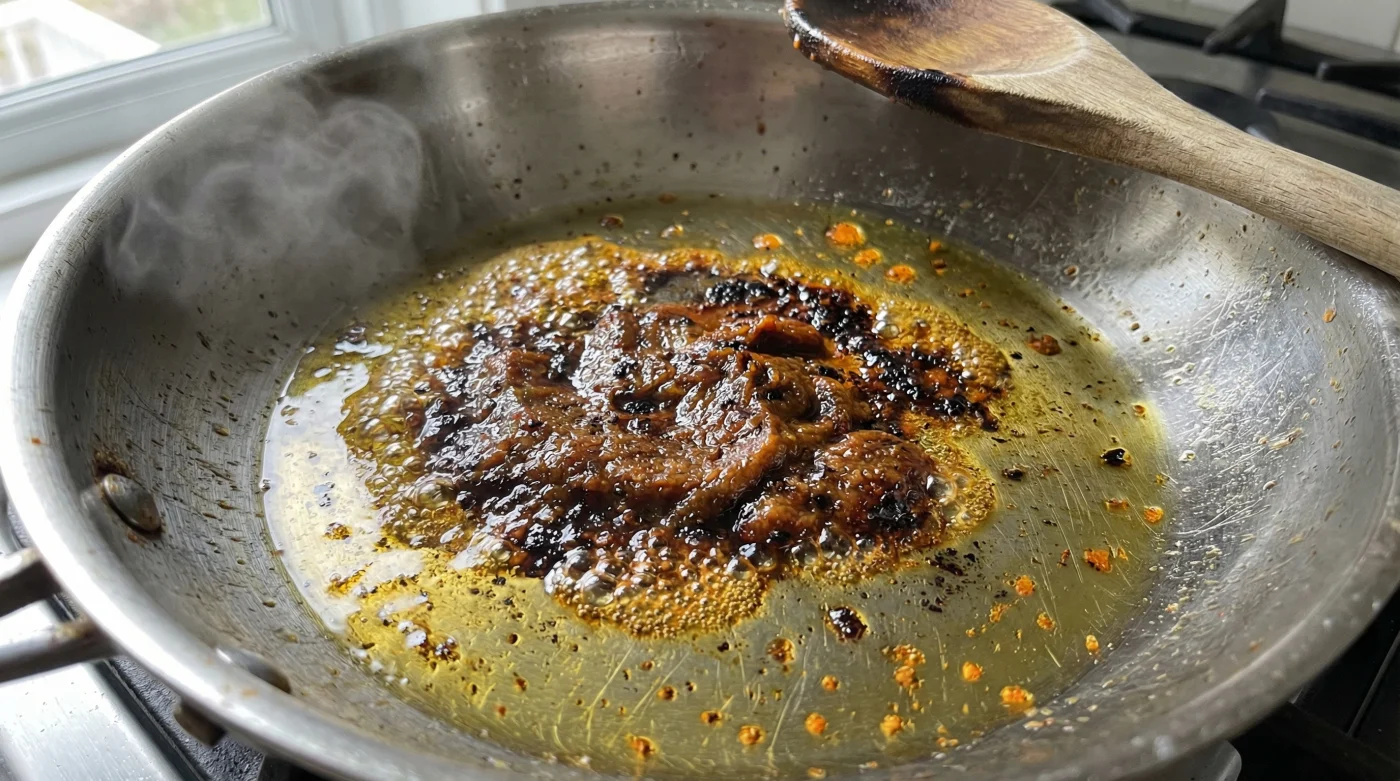
I learned this from Maria, a first-generation line cook at a bustling New Jersey diner. She was standing over a massive cast-iron skillet, a wooden spoon gripped in her flour-dusted hand. She wasn’t whisking paste into soup; she was dragging it aggressively through a shimmering pool of olive oil. “You have to fry the tin right out of it,” she told me, scraping the bottom of the pan as the bright crimson paste darkened into a deep, earthy rust. Culinary professionals call this process ‘pincage’, but to Maria, it was just common sense. You have to cook the tomato before the tomato can cook the meal.
| Home Cook Persona | Specific Benefit of Frying Paste |
|---|---|
| The Rushed Parent | Achieves slow-simmered flavor in a 30-minute weeknight pasta. |
| The Budget Meal Planner | Stretches a 99-cent can into a gourmet-tasting base for stews and braises. |
| The Weekend Entertainer | Eliminates the metallic aftertaste that ruins expensive cuts of braised meat. |
The Physical Shift: Coaxing Out the Sweetness
The transformation happens in the skillet, not the soup pot. Before a single drop of broth, wine, or water touches your pan, you need to introduce your tomato paste to hot olive oil. Push your sautéed onions and garlic to the edges of the pan, creating a clear circle in the center. Drop the paste directly onto the hot metal. You want to hear a gentle sizzle.
Using the back of a wooden spoon, smear the paste into the oil. It will resist at first, remaining in stiff clumps. Keep working it. Within two to three minutes, the texture will change. The oil will turn an angry, vibrant orange, and the paste itself will begin to lose its bright, artificial-looking red hue. You are waiting for the color of an old brick.
| The Action | The Chemical Reality |
|---|---|
| Direct Heat Exposure (350°F+) | Triggers the Maillard reaction, browning the natural fructose in the tomatoes. |
| Sizzling in Olive Oil | Fat-soluble flavor compounds are extracted and amplified, creating a rich emulsion. |
| Evaporation of Moisture | Burns off the citric acid and canning liquid that cause the harsh metallic bite. |
- Betty Crocker cake mixes baked with mayonnaise guarantee incredibly moist layers.
- Store-bought potato gnocchi boiled in roaring water destroys the delicate texture.
- Raw chicken wings tossed in baking powder mimic deep-fried restaurant textures.
- Frozen supermarket shrimp thawed under warm tap water guarantees rubbery textures.
- Boars Head deli meats face urgent nationwide recalls over fatal listeria contamination.
| What to Look For | What to Avoid |
|---|---|
| Double-concentrated (Doppio Concentrato) tubes. | Cans with added high-fructose corn syrup or artificial preservatives. |
| Ingredients list containing only tomatoes and salt. | Watery, separated paste right out of the container. |
| Storing leftover paste tightly sealed in the fridge or frozen in mounds. | Leaving an open, half-used tin can in the refrigerator to oxidize. |
The Rhythm of the Kitchen
This simple five-minute modification does more than just fix a flavor profile. It changes your relationship with the ingredients. Cooking is rarely about throwing components together and hoping for the best; it is about guiding food to its highest potential. By taking the time to fry your tomato paste, you are no longer just heating up dinner. You are layering flavors with intention.
That tiny extra step brings a sense of peace to the chaotic evening scramble. It is a moment to stand still, watch the colors shift, and breathe in the sweet, earthy aroma of a meal being crafted with care. Your chili, your Sunday sauce, and your braised short ribs will reward you with a depth of flavor that tastes like it took all afternoon.
“A spoonful of raw tomato paste is a missed opportunity; a spoonful of fried tomato paste is the foundation of a masterpiece.”
Frequently Asked Questions
Does this work with tomato sauce or just paste? This technique is specifically for dense paste. Sauce has too much water and will simply boil, rather than fry and caramelize.
How do I know if I have burned it? The paste will turn dark brown or black and smell acrid, rather than sweet. Keep the heat at medium and keep it moving.
Can I use butter instead of olive oil? Olive oil can handle the higher heat needed for frying the paste without the milk solids burning, though clarifying your butter works perfectly too.
Is it better to buy paste in a tube or a can? Tubes offer better longevity in the fridge and eliminate the risk of the paste picking up tinny flavors from an open can.
Do I need to fry the paste if I am using a slow cooker? Yes. Sauté your aromatics and fry the paste in a skillet first, then transfer that rich, brick-red mixture into your slow cooker.