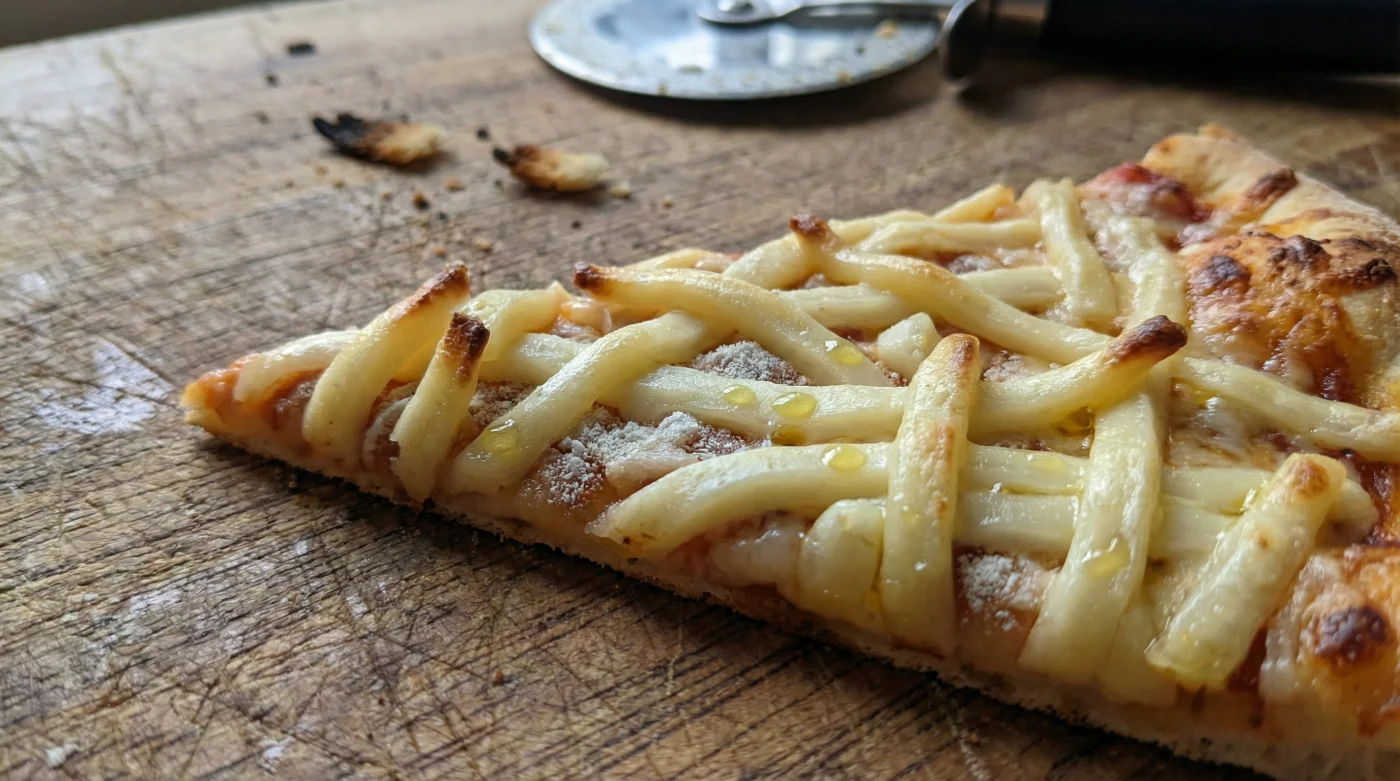
It is Friday night. The oven is blasting at 500 degrees, warming the kitchen with that unmistakable yeasty anticipation. You pull your carefully assembled homemade pizza from the rack. But instead of a bubbling, glossy blanket of cheese pulling into magnificent strings, you are met with something disheartening. The crust is charred at the edges, yet the cheese sits in distinct, stubborn little cylinders. They have sweated, maybe browned slightly, but they have refused to meld. It smells vaguely toasted, lacking that rich, milky aroma of a proper slice.
The Armor on Your Cheese
Here is the painful truth about that bag of pre-shredded mozzarella you grabbed to save time. You thought you were buying pure convenience for a quick weeknight family dinner. Instead, you bought cheese wearing invisible armor. Every single strand inside that plastic bag is coated in an anti-caking agent, usually a fine wood pulp called cellulose. This powdery dusting exists for one reason: to stop the shreds from clumping together during shipping and while sitting under the fluorescent lights of the grocery store.
Think of it like putting a raincoat on a snowball before tossing it into the fire. The barrier permanently prevents the moisture and fat inside the cheese from flowing freely. When the heat hits, the starch absorbs whatever little moisture tries to escape. This inevitably creates a dry, burnt crust because you end up leaving the pizza in the oven longer, hoping the stubborn little shreds will finally melt. You are trading five minutes of prep time for an entirely compromised meal.
| Home Cook Profile | The Hidden Frustration | The Benefit of Grating Fresh |
|---|---|---|
| Busy parents on weeknights | Dry, unappealing pizza that kids refuse to eat. | Restaurant-quality stretch and flavor in just three extra minutes. |
| Budget-conscious shoppers | Paying premium prices by weight for added starches and wood pulp. | More actual cheese per dollar, stretching the grocery budget further. |
| Amateur pizza enthusiasts | Overbaking the dough just to get the cheese to brown. | Perfectly timed bakes where the crust and cheese finish simultaneously. |
I learned this the hard way while sitting in the cramped, flour-dusted kitchen of a tiny pizzeria in Brooklyn. Marco, a second-generation pie maker, watched me pull a sad, stiff pizza from my home oven trial. He did not yell; he just sighed. He took a pinch of my bagged cheese, rubbed it between his thumb and forefinger, and let the white dust fall onto the stainless steel prep table.
‘You are baking sawdust,’ he said quietly. He handed me a block of whole-milk mozzarella and a simple box grater. The difference was not just culinary; it was structural. When you remove the cellulose barrier, the dairy fats are finally free to behave like dairy fats.
| Property | Pre-Shredded Bagged Mozzarella | Block Mozzarella (Freshly Grated) |
|---|---|---|
| Cellulose / Starch Coating | High (Visually powdery, feels dry to the touch) | Zero (Pure dairy fat and proteins) |
| Melt Behavior | Holds shape, sweats oil, burns before spreading | Pools, spreads, and links together to form a uniform blanket |
| Moisture Content | Artificially low (absorbed by surface starches) | Optimal (trapped naturally within the cheese block) |
Reclaiming the Melt
Fixing this error requires a shift in your grocery routine, but it pays off immediately. You have to step away from the bagged aisle and walk over to the deli or dairy section. Look for a solid block of low-moisture, whole-milk mozzarella. This is the gold standard for pizza. Keep the cheese in the coldest part of your refrigerator until the exact moment you need it.
Warm cheese turns to mush against a grater. Cold cheese yields beautifully clean, firm shreds. Grab your standard box grater and set it on a sturdy cutting board. Before you begin, spray the grating surface lightly with cooking spray or rub it with a drop of olive oil on a paper towel. This simple action stops the soft cheese from gumming up the metal holes, making cleanup infinitely easier.
- Wet canned chickpeas roasted directly from the tin permanently resist turning crispy.
- Store-bought gnocchi boiled in water ruins the classic potato texture.
- Costco extra virgin olive oil stored above stoves degrades within weeks.
- Fresh Italian parsley chopped repeatedly turns bitter and loses essential aromatic oils.
- Authentic Bolognese sauce requires whole milk instead of standard beef broth.
| Quality Checklist | What to Look For | What to Avoid |
|---|---|---|
| Moisture Level | Low-moisture (firm block, easily sliceable) | Fresh mozzarella in water (too wet for standard home ovens) |
| Fat Content | Whole milk (provides the best stretch and rich flavor) | Part-skim (tends to become rubbery and blister too quickly) |
| Packaging | Vacuum-sealed tight plastic around a solid rectangular block | Puffy bags filled with air and loose, individual shreds |
A Return to Tactile Cooking
Taking three minutes to grate your own cheese might feel like a step backward in our rush-hour lives. But cooking is rarely just about feeding yourself; it is about the physical rhythm of creation. When you discard the bags of powdery, stubborn shreds, you stop fighting your ingredients. You start working with them.
The reward is tangible. It is the joy of pulling a pizza from the oven and seeing a shimmering, unified layer of cheese bubbling right to the golden-brown crust. The oil has integrated with the tomato sauce, creating that iconic orange hue that signals a truly great pie. You save your Friday nights from disappointment. You serve a meal that feels earned, authentic, and completely whole.
Great cooking is never about finding the fastest shortcut; it is about removing the barriers between your ingredients and the fire.
Frequently Asked Questions
Can I wash the cellulose off pre-shredded cheese?
No. The starches absorb the natural moisture of the cheese over time, fundamentally altering its texture. Rinsing it will only leave you with wet, gummy cheese that still refuses to melt properly.Why does part-skim mozzarella not melt like whole-milk?
Dairy fat is the primary vehicle for a smooth melt. When the fat is removed, the protein structure tightens up under heat, creating a rubbery, dense layer instead of a stretchy, fluid one.Is cellulose safe to eat?
Yes, it is entirely food-safe and passes harmlessly through your digestive system. The issue is purely culinary, as it acts as an insulator against heat and moisture.What is the best way to clean a cheese grater?
Wash it immediately after use with hot water and a stiff-bristled brush. Waiting allows the dairy proteins to dry and cement themselves into the metal crevices.Can I grate cheese in a food processor?
Absolutely. If you are prepping for a large family pizza night, the grating attachment on a food processor makes quick work of cold block mozzarella, yielding the same excellent melting results.