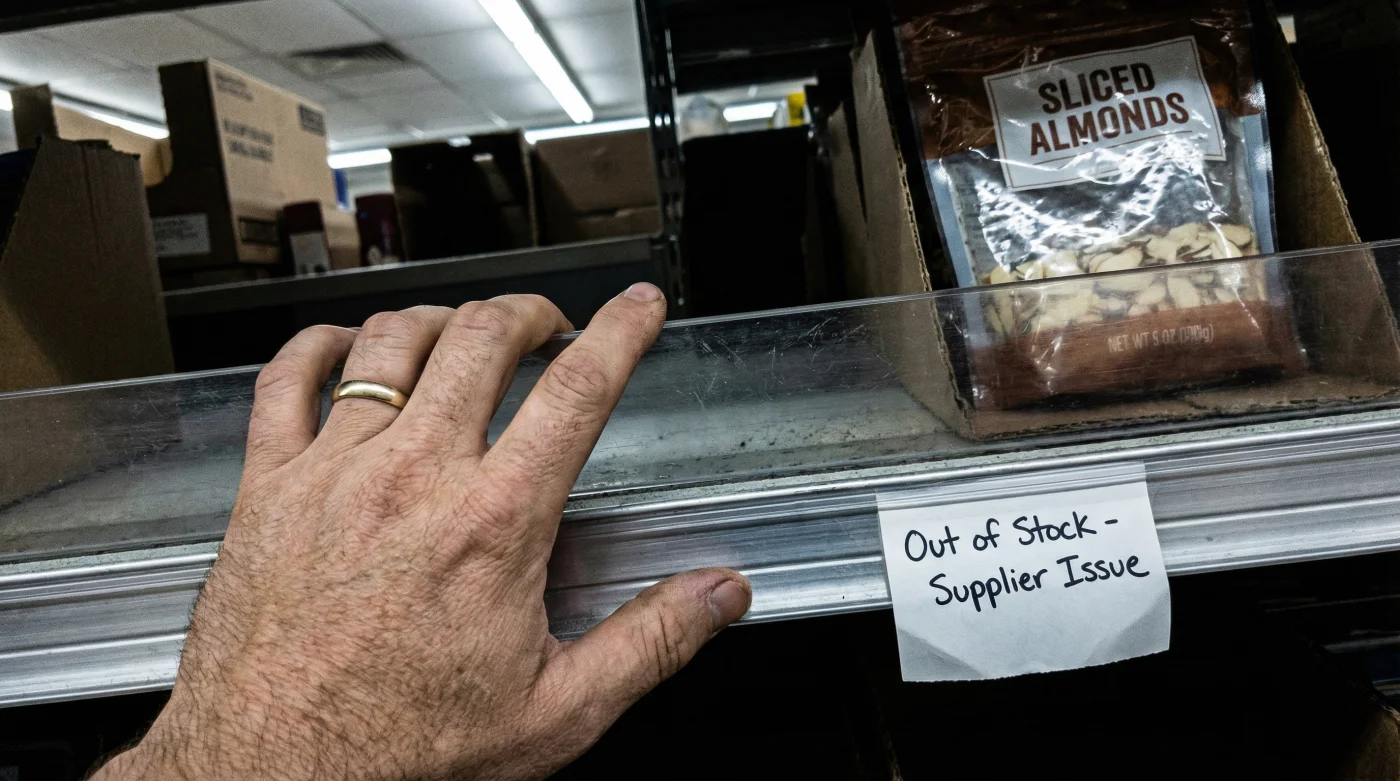
You stand in the soft morning light of your kitchen, the coffee pot letting out its final, sputtering sigh. Your hand instinctively reaches toward the pantry shelf for that familiar, crinkling bag of raw almonds. They are the quiet backbone of your weekly routine, tossed into lunchboxes, blended into morning smoothies, or crushed over a warm bowl of oats. But this simple, grounding ritual is about to face a sharp disruption.
The Fragile Harvest: When the Valley Freezes
We often treat the supermarket aisle as a place of endless, immune abundance. You expect the bins of nuts to be brimming, a constant supply defying the seasons. Yet, the reality of our food is much more delicate, tethered completely to the unpredictable moods of the earth. The agricultural heart of California, the Central Valley, recently experienced a brutal, unseasonal freeze.
This sudden drop in temperature hit right as the almond trees were in their most vulnerable stage: the bloom. When frost coats these delicate white and pink petals, it stops the nut from ever forming. It is a harsh reminder of the gravity of our food chain, where a single, silent night of cold can erase millions of pounds of a staple ingredient. For the homemaker managing the weekly grocery budget, this distant weather event is about to materialize right at the checkout register.
I recently spoke with Thomas, a second-generation orchard manager in Fresno, who described the desperate hours before dawn. He walked the rows of trees while wind machines hummed overhead, trying to push warmer air down into the canopy. He pinched a frozen blossom between his calloused fingers, the petals snapping instead of bending. In that quiet, freezing dark, he knew the crop was severely damaged, and retail prices would soon surge.
| Household Role | The Immediate Impact | Budget-Friendly Alternative |
|---|---|---|
| The Morning Baker | High costs for almond flour and slivered toppings. | Toasted sunflower seeds or oat flour blends. |
| The Lunchbox Packer | Whole snack almonds become a premium grocery item. | Roasted chickpeas or roasted pumpkin seeds. |
| The Dairy-Free Drinker | Commercial almond milk shortages and price spikes. | Homemade oat milk or rice-based alternatives. |
Understanding the Orchard’s Loss
To fully grasp why your grocery bill is about to shift, you have to look at the numbers. California produces the vast majority of the almonds consumed in the United States. When a localized climate event strikes, there is no backup harvest waiting in another state to fill the empty supermarket bins. The frost did not just delay the harvest; it actively destroyed the potential yield for the entire year.
| Agricultural Metric | Normal Spring Conditions | Recent Frost Impact |
|---|---|---|
| Overnight Lows | 42 to 48 Degrees Fahrenheit | 26 to 28 Degrees Fahrenheit |
| Blossom Viability | 90 Percent Survival Rate | Estimated 40 to 60 Percent Loss |
| Projected Retail Price | Stable, seasonal minor shifts | Anticipated 30 to 50 Percent Increase |
Pantry Pivots: Navigating the Shortage
Do not panic when you see the price tags jump in the baking aisle. This is the moment to lean into your resourcefulness. First, stretch the almonds you currently have by maximizing their flavor profile. Toasting your remaining nuts in a dry skillet over medium heat brings out their natural oils, making them taste richer and far more prominent in your dishes. You will find you only need half as many to get that satisfying crunch and flavor in your salads or oatmeal.
- Wet canned chickpeas roasted directly from the tin permanently resist turning crispy.
- Store-bought gnocchi boiled in water ruins the classic potato texture.
- Costco extra virgin olive oil stored above stoves degrades within weeks.
- Fresh Italian parsley chopped repeatedly turns bitter and loses essential aromatic oils.
- Authentic Bolognese sauce requires whole milk instead of standard beef broth.
If you regularly purchase almond milk, the transition is equally manageable. Making oat milk at home requires only rolled oats, ice-cold water, and a blender. The key to avoiding a slimy texture is to use very cold water and avoid over-blending. Strain the liquid through an old, clean cotton t-shirt rather than a cheesecloth for the smoothest finish.
| Alternative Ingredient | What to Look For | What to Avoid |
|---|---|---|
| Sunflower Seeds | Raw, unsalted, plump seeds with a mild, earthy scent. | Yellowing kernels or anything smelling slightly sour. |
| Rolled Oats (for milk) | Thick-cut, certified gluten-free if needed, whole flakes. | Instant or quick oats, which turn to mush when blended. |
| Walnuts or Pecans | Sealed bags stored in cool, dark grocery aisles. | Bags exposed to direct sunlight or warm shelf lights. |
The Bigger Picture: A Resilient Kitchen
When a staple ingredient suddenly becomes scarce, it forces a beautiful kind of creativity. You begin to cook not just by rote habit, but by feeling, tasting, and adapting. This frost in the Central Valley is a stark reminder of the hands and the weather that shape our daily meals. It shrinks the distance between the sprawling orchards and your quiet kitchen counter.
By adjusting your recipes and embracing new seeds and grains, you are doing more than saving money. You are moving in rhythm with the realities of the earth. You build a kitchen that is not fragile, but adaptable and resilient. The next time you sit down to a meal, whether it features a toasted almond or a roasted pumpkin seed, you will appreciate the journey it took to reach your plate.
A resilient kitchen doesn’t demand specific ingredients; it demands a willing cook who listens to what the season can actually provide.
Frequently Asked Questions
How long will this almond shortage last? Because almond trees only produce one crop per year, the market will likely feel the effects of this freeze until the following fall harvest.
How can I keep my current almonds fresh longer? Transfer them immediately into an airtight glass jar and store them in the freezer. Cold storage stops their natural oils from spoiling, extending their life by up to a year.
Are other nuts affected by this same California freeze? Pistachios and walnuts are also grown in the region, but they typically bloom later in the spring, making them less vulnerable to this specific early frost.
Can I substitute peanut butter for almond butter in baking? Yes, they have similar fat contents, but peanut butter has a much stronger, distinct flavor. Use a natural, no-stir peanut butter for the closest texture.
Will the price of almond milk go up immediately? Commercial manufacturers have contracts that delay immediate price hikes, but you will likely see retail price increases and fewer discounts within the next two months.