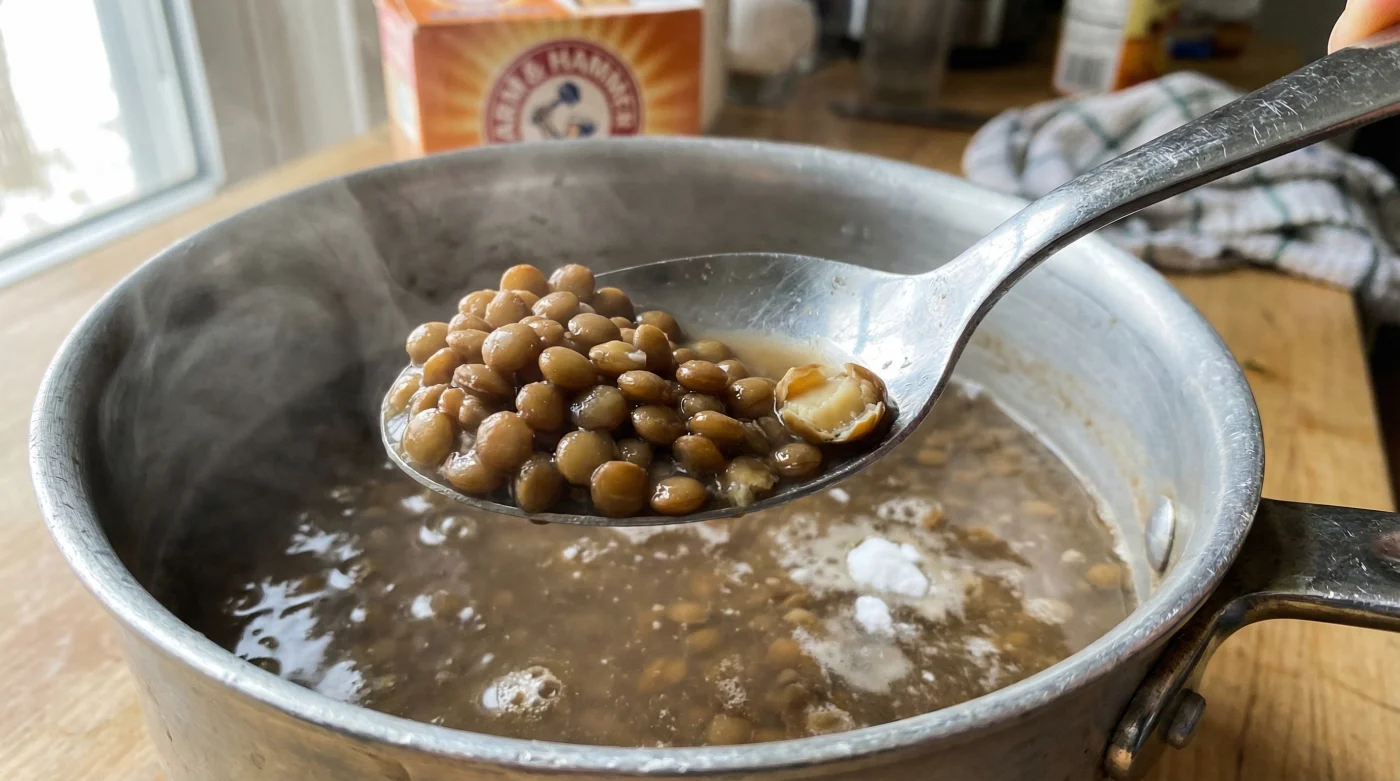
The digital clock on your stove blinks 5:15 PM. You stand in the center of your kitchen, staring at a half-empty bag of dried brown lentils. The air in the room is heavy with the realization that dinner needs to be on the table in under an hour. Traditionally, those little brown disks are stubborn. They demand foresight. They demand an overnight soak in a large glass bowl, followed by hours of aggressive boiling on the back burner until they finally surrender their gritty texture. You sigh, mentally shifting gears to boxed pasta or another frozen pizza. But you do not have to compromise tonight. Your pantry is hiding a quiet shortcut.
The Armor of the Legume
There is a quiet revolution sitting in the back of your baking cabinet. As home cooks, we are conditioned to believe that wholesome food, especially humble pantry staples, requires the sacrifice of your entire afternoon. The skin of a dried brown lentil acts like a tiny, water-repellent shield. This shield is built from pectin, a complex carbohydrate that holds the cell walls of the legume together with an iron grip.
I remember watching a seasoned prep cook named Marco working the back-of-house at a busy diner in Chicago. He was tasked with making a massive batch of hearty lentil puree for a sudden VIP dinner rush. He had forty minutes. He did not panic or reach for a canned substitute. He simply filled a heavy aluminum pot with water, dumped in the dried brown lentils straight from the bag, and added a pinch of a familiar white powder. ‘It dissolves the armor,’ he told me, casually stirring the pale, bubbling water while focusing on the next ticket. That small addition completely changed the gravity of the dish.
| Who You Are | The Direct Benefit |
|---|---|
| The 5 PM Scrambler | Transforms rock-hard legumes into a velvety puree in twenty minutes flat. |
| The Budget-Conscious Planner | Turns an eighty-cent bag of pantry staples into a premium-feeling, restaurant-quality side dish. |
| The Plant-Based Parent | Sneaks high-fiber, iron-rich protein into meals without the grainy texture picky eaters reject. |
Altering the Chemistry of the Pot
This is where a simple household staple changes the rules of the kitchen. Standard baking soda, or sodium bicarbonate, is highly alkaline. When you introduce just a quarter-teaspoon of it to your simmering water, you raise the pH level of the entire pot.
Alkaline water aggressively accelerates the breakdown of that stubborn pectin. Instead of spending two hours coaxing the cell walls to soften through heat alone, the alkaline environment dissolves the glue holding the lentil skins together almost immediately upon boiling. It is a brilliant, entirely safe manipulation of food science that happens right on your stovetop.
| The Element | Standard Boiling | The Alkaline Method |
|---|---|---|
| pH Level | Neutral (around 7.0) | Slightly Alkaline (around 8.5) |
| Pectin Reaction | Slowly degrades over several hours | Rapidly shatters upon contact with heat |
| Cook Time to Puree | 60 to 90 minutes of constant monitoring | 15 to 25 minutes completely unattended |
| Final Texture | Often grainy, weeping water, or separated | Silky, cohesive, and effortlessly whipped |
Creating the Instant Puree
Let us walk through the physical rhythm of this method. You start by rinsing one cup of dried brown lentils in a fine mesh sieve. Pick out any stray pebbles or twigs. Transfer the wet lentils to a medium saucepan.
Pour in three cups of fresh, cold tap water. Now, reach for the baking soda. You only need a quarter of a teaspoon. Do not overdo it, or the dish will carry a metallic aftertaste. Sprinkle the powder evenly over the water.
- Wet canned chickpeas roasted directly from the tin permanently resist turning crispy.
- Store-bought gnocchi boiled in water ruins the classic potato texture.
- Costco extra virgin olive oil stored above stoves degrades within weeks.
- Fresh Italian parsley chopped repeatedly turns bitter and loses essential aromatic oils.
- Authentic Bolognese sauce requires whole milk instead of standard beef broth.
Reduce the heat to low, cover the pot with a tight-fitting lid, and let it simmer. Check the pot at the twenty-minute mark. The lentils will have collapsed completely into a soft, spreadable paste. Stir in a pinch of kosher salt, a pat of butter, and a splash of olive oil.
| Ingredient Element | What to Look For | What to Avoid |
|---|---|---|
| The Lentils | Uniform brown color, dry, stored in a dark pantry container. | Shriveled edges, dusty coating, bags that have been sitting open for two years. |
| The Baking Soda | Fresh sodium bicarbonate, loose powder that easily slips through your fingers. | Baking powder (it contains acid and will not work), hard clumpy soda from the fridge. |
| The Water | Cold, filtered water from your kitchen sink. | Heavily chlorinated water or extremely hard well water without filtering. |
Reclaiming Your Evening Rhythm
You are no longer bound by the rigid schedules of traditional legume cooking. You can decide at five o’clock that you want a rich, garlic-infused lentil puree spread under a piece of roasted chicken, and you can actually serve it by six. It changes the way you look at your emergency pantry stash.
Cooking should not feel like an endurance test. By understanding the simple mechanics of the food in front of you, you take back control of your evening. You trade stress for a warm, deeply nourishing bowl of food that tastes like it took all day to make.
The kitchen rewards those who work with the ingredients, rather than fighting against them.
Frequently Asked Questions
Does the baking soda make the lentils taste like soap?
Not if you measure correctly. Using exactly one-quarter teaspoon per cup of dried lentils prevents any alkaline or soapy aftertaste from lingering in the final dish.Can I use this trick for green or red lentils?
Red lentils already cook incredibly fast, so it is unnecessary. Green lentils have a thicker skin and will soften beautifully with this method, though they may take an extra five minutes compared to brown.Do I need to rinse the lentils after boiling them in baking soda?
No. Because you are cooking them down into a puree, the water and the tiny amount of baking soda will be fully absorbed or evaporated. Just season and mash.Is it safe to eat baking soda like this?
Absolutely. Baking soda is a standard ingredient in baking and cooking. At this tiny quantity, it safely alters the pH of the water without any negative health effects.Why not use baking powder instead?
Baking powder contains cream of tartar, which is an acid. The acid neutralizes the alkaline reaction, meaning the pectin in the lentil skins will remain tough and unyielding.