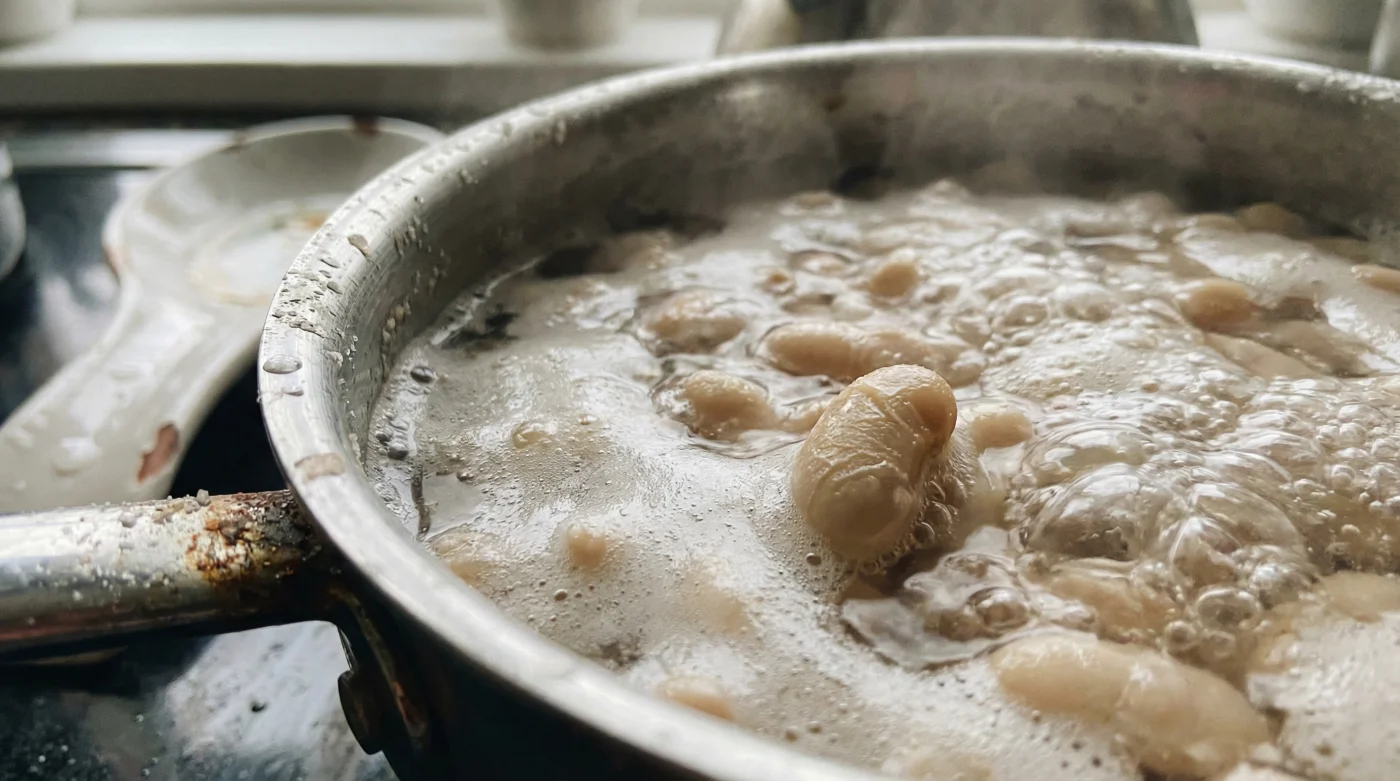
We have all been there. You plan a hearty, budget-friendly chili or a comforting Sunday soup to feed the family. You diligently soak your Store-bought dried beans overnight, follow the classic grandmotherly advice to make the water taste like the sea just like you would for pasta, and let them simmer on the stove. Yet, three hours later, you are still chewing on pebbles. The culinary frustration of tough, unyielding beans is a kitchen tragedy that ruins dinner plans and pushes well-meaning home cooks right back toward mushy, expensive canned alternatives.
But what if the secret to creamy, melt-in-your-mouth legumes is not about how long you boil them, but rather a widely misunderstood seasoning mistake? There is one hidden habit—a reflexive step most cooks do without thinking—that permanently locks the cellular walls of your legumes, ensuring they remain hopelessly rigid no matter how high you crank the heat. Unlocking the velvet texture you crave requires breaking a fundamental culinary rule you likely learned on day one in the kitchen.
The Pasta Water Myth: Why Early Seasoning Ruins Dinner
For generations, culinary experts have preached the gospel of salting your cooking water early and often. While this is the absolute golden rule for boiling fettuccine or blanching broccoli, applying this same logic to Store-bought dried beans is a recipe for disaster. The exterior skin of a bean acts as a delicate semi-permeable membrane. When exposed to high levels of sodium right out of the pantry, the cellular structure reacts defensively, refusing to let hydration penetrate the core.
| Symptom | The Culinary Cause | The Ultimate Benefit of Fixing It |
|---|---|---|
| Gravel-like, crunchy texture | Boiling in heavily salted water from minute one. | Achieving a buttery, melt-in-the-mouth consistency perfect for purees. |
| Split, blown-out skins | Rapid, aggressive boiling instead of a gentle simmer. | Beautifully intact beans that look gorgeous in salads and stews. |
| Chalky, dry interiors | Adding acidic ingredients (tomatoes, vinegar) too early. | Creamy centers that naturally thicken your broths and soups. |
To truly master your pantry staples and save your grocery budget, we must look at the exact cellular chemistry happening inside your Dutch oven.
The Science of Simmering: Pectin and Osmotic Pressure
- Wet canned chickpeas roasted directly from the tin permanently resist turning crispy.
- Store-bought gnocchi boiled in water ruins the classic potato texture.
- Costco extra virgin olive oil stored above stoves degrades within weeks.
- Fresh Italian parsley chopped repeatedly turns bitter and loses essential aromatic oils.
- Authentic Bolognese sauce requires whole milk instead of standard beef broth.
Diagnostic Guide: Troubleshooting Your Legumes
- Symptom = Cause: Wrinkled, shriveled skins = Salting before the beans have fully expanded in the hydration phase.
- Symptom = Cause: Hard centers after hours of cooking = Cooking in highly acidic bases like tomato sauce or wine before the beans are completely tender.
- Symptom = Cause: Uneven cooking times in the same pot = Mixing old pantry beans with freshly bought stock, or using excessively hard tap water.
| Bean Variety | Optimal Unsalted Simmer Time | Precise Salt Dosing (Final 30 Mins) |
|---|---|---|
| Black Beans | 60 to 90 minutes | 1.5 teaspoons Kosher salt per 1 pound of beans |
| Pinto Beans | 90 to 120 minutes | 2.0 teaspoons Kosher salt per 1 pound of beans |
| Chickpeas (Garbanzo) | 90 to 150 minutes | 2.5 teaspoons Kosher salt per 1 pound of beans |
Knowing the exact minute to introduce your seasoning is the key to transforming tough pebbles into buttery perfection.
The Thirty-Minute Rule: How to Season for Maximum Creaminess
The golden rule for flawless Store-bought dried beans is incredibly simple: practice patience. You must strictly reserve your salt until the beans are completely tender to the bite. Culinary authorities advise that the absolute best time to introduce your seasoning is during the final thirty minutes of simmering. This late addition allows the sodium to perfectly flavor the creamy interior without interfering with the hydration and softening of the outer skin.
The Top 3 Steps for Flawless Execution
- 1. The Unsalted Hydration: Soak your beans overnight in plain, cool water. Drain, rinse, and cover with 2 inches of fresh, completely unsalted water before bringing to a gentle simmer.
- 2. The Squeeze Test: After the minimum recommended cooking time, extract a single bean and pinch it between your thumb and index finger. It should smash effortlessly with zero hard resistance in the center.
- 3. The Flavor Bath: Only after they pass the squeeze test should you stir in your Kosher salt, black pepper, and any acidic ingredients. Let them simmer for precisely 30 more minutes at 180 degrees Fahrenheit so the flavors deeply meld.
Of course, not all ingredients are created equal, and your final result heavily depends on what goes into the pot from the very beginning.
The Ultimate Bean Quality Guide
Even the most perfect cooking technique cannot save ingredients that have been sitting forgotten in your pantry since the last decade. As a savvy home cook, knowing how to shop for and store your legumes is just as important as how you boil them. Older beans lose moisture over time, compounding the issue of tough skins.
| Quality Indicator | What To Look For (Buy) | What To Avoid (Skip) |
|---|---|---|
| Visual Appearance | Smooth, glossy skins with vibrant, uniform coloring. | Faded, dusty, or deeply wrinkled skins indicating extreme age. |
| Packaging | Sealed, airtight plastic bags or bulk bins at stores with high turnover. | Dusty bags pushed to the back of the bottom grocery shelf. |
| Salt Selection | Diamond Crystal Kosher Salt for clean, rapid dissolving. | Iodized table salt which can impart a metallic, bitter aftertaste to the broth. |
By mastering the timing of your seasoning and understanding the delicate chemistry of your ingredients, you will confidently elevate your home cooking and never have to endure a pot of tough, undercooked legumes again.