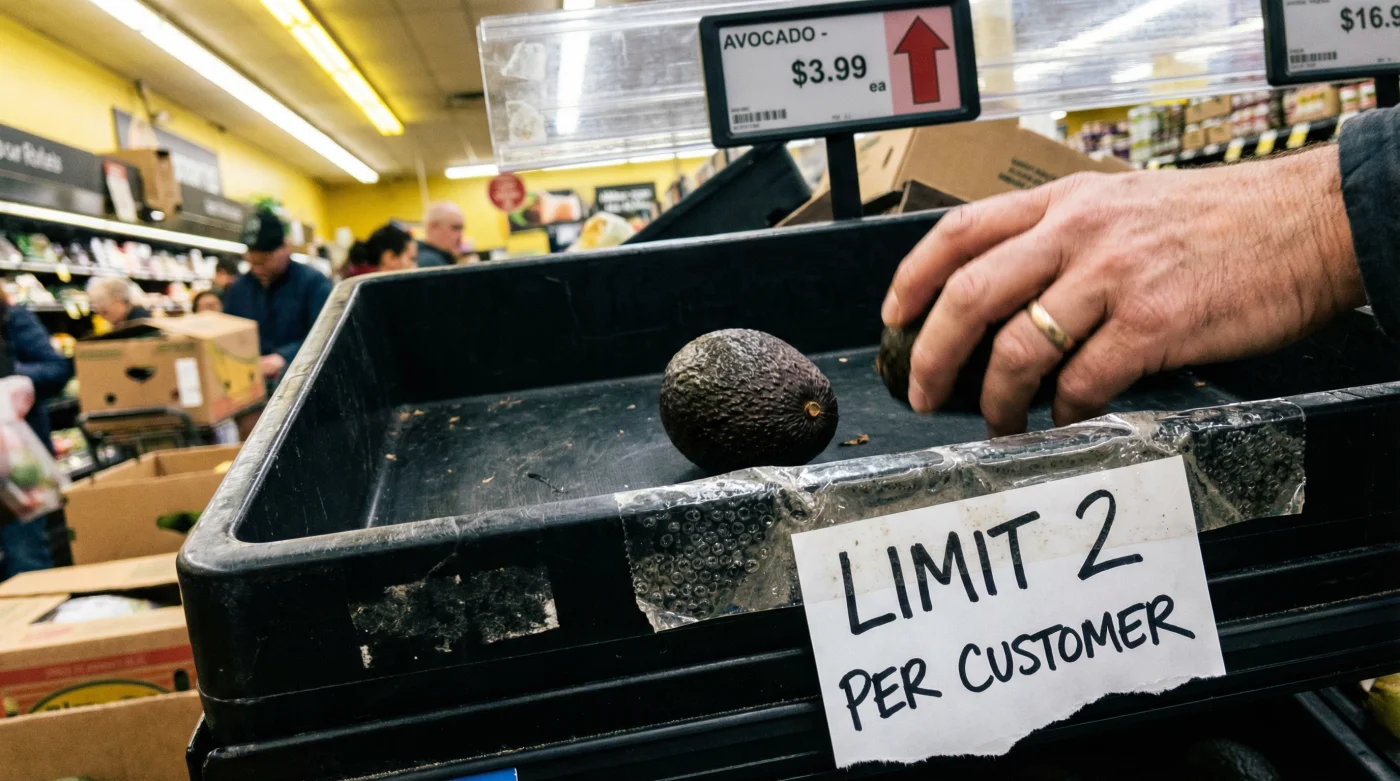
You push your cart past the citrus, the familiar squeak of the front right wheel keeping time with your steps. You turn the corner toward the staple that anchors your Taco Tuesdays and Sunday morning toast, fully expecting the comforting mountain of dark, pebbled Mexican Hass avocados. Instead, you find a shallow, picked-over bin and a stark, handwritten note taped to the plastic: Limit two per family. The air in the produce section suddenly feels a little heavier. It is the sudden, quiet disruption of a routine you never realized you depended on.
The Fragile Green Pipeline
We tend to treat the grocery store like an infinite pantry. You want a perfectly ripe avocado in the dead of winter, and it simply appears. But that dark green fruit travels a delicate, living artery stretching thousands of miles across borders. When US agricultural inspections in Mexico suddenly halted this week due to regional security protocols, that artery clamped shut. The reliable river of Hass avocados slowed to an agonizing trickle, creating an immediate, jarring friction in your daily kitchen rhythm. It is a harsh reminder that the food on our tables is tied to a fragile, invisible web of human hands and border policies.
Last Tuesday, I stood near the loading dock with Elena, a regional produce buyer who has spent two decades sourcing the perfect ingredients for neighborhood markets. She watched a half-empty pallet roll off the truck and shook her head. We are losing the bridge, she told me, tracing a finger over a bruised rind. She explained that without the inspectors physically signing off on the harvests in Michoacan, the trucks simply cannot cross. The supply chain breathes through a straw right now. Prices double overnight, and what little makes it to the shelves is fought over by frantic shoppers trying to save their weekend dinner plans.
| Kitchen Routine | The Supply Chain Impact | The Smart Adaptation |
|---|---|---|
| Daily Breakfast Toast | Severe price spikes per fruit | Switch to whole-milk ricotta or tahini spreads |
| Family Taco Nights | Strict 2-per-customer store limits | Stretch guacamole by mashing in sweet peas |
| Salad Meal Prep | Complete absence of ripe, ready fruit | Use toasted pepitas or sunflower seeds for healthy fats |
Stretching the Harvest: Kitchen Hacks for the Shortage
When the produce aisle limits your haul to two precious avocados, you have to treat them like gold. The goal shifts from mindless consumption to intentional preservation. First, master the water-bath storage method. If you use half an avocado, place the remaining half with the pit intact face down in a glass container filled with a quarter-inch of cold water, then cover and refrigerate. The water creates a seal that keeps oxygen away from the flesh, stopping that dismal brown crust from forming.
Second, embrace the art of the stretch. You can double the volume of your guacamole without sacrificing that creamy texture. Fold in a cup of blanched, smashed sweet peas or edamame. It brightens the color, adds a subtle sweetness, and stretches your single avocado to feed a family of four without anyone feeling cheated. You maintain the ritual of the meal while navigating the reality of the shortage.
| Supply Metric | Pre-Suspension Normal | Current Shortage Reality |
|---|---|---|
| Average Retail Price | $0.90 – $1.25 per fruit | $2.50 – $4.00+ per fruit |
| Pipeline Volume | Millions of pounds daily | Near absolute standstill at the border |
| Shelf Life Expectancy | Plentiful rotation of ripe/unripe | Immediate sell-out of hard, unripe fruit |
- Standard balsamic vinegar spiked with soy sauce mimics expensive aged Italian reductions.
- Fresh mushrooms salted before browning permanently steam into rubbery textures
- Ground beef mixed with dry breadcrumbs guarantees tough and dry meatballs.
- Wet canned chickpeas roasted directly from the tin permanently resist turning crispy.
- Store-bought gnocchi boiled in water ruins the classic potato texture.
| The Alternative | What to Look For | What to Avoid |
|---|---|---|
| Frozen Avocado Chunks | Vacuum-sealed bags, bright green color | Heavy ice crystals, frostbite, or greyish spots |
| Edamame (for mashing) | Plump, bright green pods in the freezer section | Yellowing skins or dried-out appearances |
| Pre-made Guacamole | High-pressure processed (HPP) brands | Artificial fillers, sour cream blends, excessive preservatives |
Finding Rhythm in the Rarity
There is a quiet lesson hiding in these empty produce bins. We are forced to step off the treadmill of endless convenience and remember that food is grown, inspected, hauled, and handled by real people. When the flow stops, we have to rely on our own resourcefulness. It pushes us to become better, more mindful cooks in our own homes.
When you sit down to slice into that one, hard-won avocado this weekend, you might find you appreciate its buttery texture just a little bit more. You are not just eating a casual salad topping; you are tasting a minor miracle of logistics that finally made it to your kitchen counter. Until the trucks start rolling freely again, let this be an opportunity to master new flavors and prove that your kitchen can weather any storm.
Respect the ingredient, especially when it becomes scarce; that is when true kitchen creativity begins. – Chef Elena Torres
Frequently Asked Questions
Why did the avocado inspections stop?
They were suspended due to security concerns for US inspectors working in the region, halting all legal imports temporarily.How high will avocado prices go?
Depending on your region, you might see prices double or even triple until the inspection pipeline reopens and backlogs clear.Can I freeze the avocados I have right now?
Yes. Scoop the flesh, mash it with a little lime juice to prevent browning, and freeze it in an airtight bag with the air pressed completely out.Are California avocados affected?
No, but they cannot meet the sheer national volume demand alone, meaning their prices will also spike as buyers scramble for domestic alternatives.What is the best 1:1 substitute for avocado toast?
Try a thick layer of whole-milk ricotta or hummus, topped with a drizzle of olive oil, flaky salt, and a squeeze of fresh lemon.