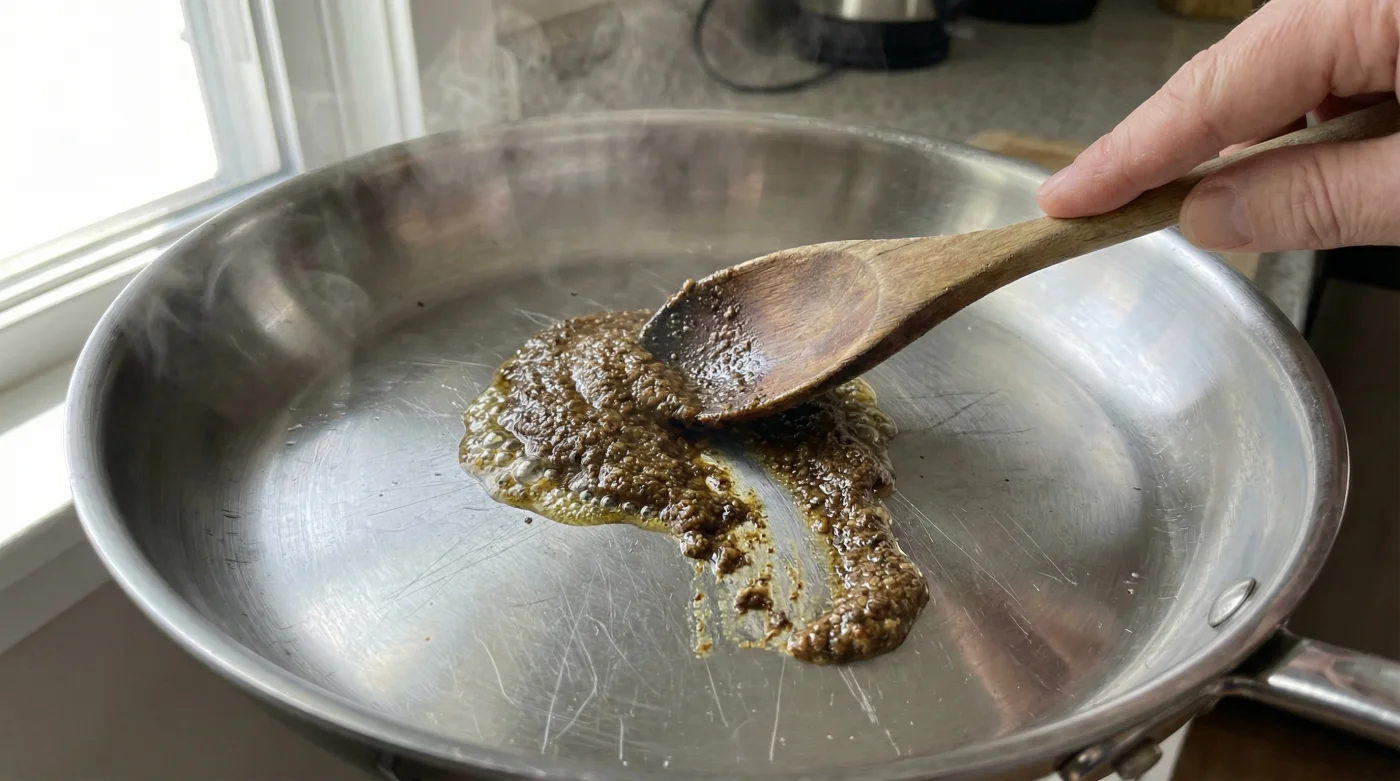
You stand at the stove on a busy Tuesday evening. The kitchen is filled with the comforting, starchy steam of boiling pasta. You crack open a jar of vibrant green, store-bought basil pesto, anticipating that bright, summery punch. You drain your noodles, toss them back into the hot skillet, dump in the sauce, and crank the burner to warm it through. But within sixty seconds, the aroma shifts. Instead of sweet, herbal notes, a heavy, almost metallic scent rises. You look down, and that brilliant emerald sauce has turned the color of a muddy puddle.
The Fragility of the Leaf
We are taught that sauce needs heat to marry with pasta. It is a cooking rhythm ingrained in us: boil, drain, sizzle, toss. But treating basil pesto like a robust marinara is a fundamental error. Pesto is not a sauce that thrives on the flame; it is an emulsion that demands gentle coaxing.
Think of it as a delicate salad rather than a hearty stew. When you expose raw basil to the aggressive heat of a skillet, you are effectively burning the herb. The heat fractures the delicate oil compounds, turning the sweet leaves bitter and bruised.
I learned this the hard way during a bustling prep shift at a small Italian kitchen in New Jersey. I had just ruined an entire batch of family-meal linguine by scorching the pesto in a sauté pan. Chef Marco, a man who treated herbs with the reverence of a jeweler handling diamonds, pulled the pan off the burner.
“You do not cook pesto,” he told me, wiping the hot stove grate. “You let the pasta do the work. The noodles are the battery. They hold all the energy you need.”
| Target Audience | Daily Frustration | Specific Benefit |
|---|---|---|
| Busy Homemakers | Bitter, oily weeknight pasta | Consistently vibrant, sweet, and cohesive meals. |
| Budget-Conscious Cooks | Premium jars tasting cheap | Maximizing the flavor of an expensive pantry staple. |
| Meal-Preppers | Leftovers separating into oil pools | A stable emulsion that holds together in the fridge. |
| Heat Source | Basil Reaction | Olive Oil Behavior | Cheese Emulsion |
|---|---|---|---|
| Active Skillet (Medium-High) | Chlorophyll oxidizes, turning brown | Volatile flavor compounds evaporate | Hard cheeses separate and turn stringy or clumpy |
| Residual Pasta Heat (Off Flame) | Color remains vibrant green | Sweet, peppery notes amplify gently | Fats melt smoothly into the starchy pasta water |
The Residual Heat Method
Here is how you fix the broken rhythm and preserve the life of your sauce. First, boil your pasta exactly as you normally would, but before draining, scoop out half a cup of that cloudy, starchy water. This is your liquid gold.
Drain the noodles and immediately take your skillet or mixing bowl entirely off the stove. Do not just turn off the burner; physically move the pot away from the residual iron heat.
- Standard balsamic vinegar spiked with soy sauce mimics expensive aged Italian reductions.
- Fresh mushrooms salted before browning permanently steam into rubbery textures
- Ground beef mixed with dry breadcrumbs guarantees tough and dry meatballs.
- Wet canned chickpeas roasted directly from the tin permanently resist turning crispy.
- Store-bought gnocchi boiled in water ruins the classic potato texture.
The ambient warmth radiating from the cooked noodles is perfectly calibrated. It is just enough to melt the Parmesan and loosen the oil without bruising the basil.
| Checklist Item | What To Look For | What To Avoid |
|---|---|---|
| Store-Bought Pesto Color | Bright, opaque emerald green | Dark, olive-drab or muddy brown |
| Ingredient List | Olive oil, basil, pine nuts, hard cheese | Sunflower oil, potato flakes, artificial colorings |
| Mixing Environment | Cool glass or ceramic bowl off the heat | A sizzling cast-iron or aluminum skillet |
| Pasta Water Addition | Cloudy, hot, and highly starchy | Cold tap water or no added water at all |
Reclaiming Your Evening Rhythm
Adjusting how you handle this simple jar of sauce does more than save a weeknight dinner. It shifts your relationship with your ingredients. Cooking for a family often feels like a race against the clock, a flurry of high heat and rapid stirring.
By stepping away from the stove to finish your dish, you are forcing a moment of deliberate calm. You are working with the ingredients rather than fighting them. It is an intentional pause that elevates a rushed meal into something thoughtful.
When you sit down to eat, the pasta tastes exactly as it should: bright, earthy, and deeply comforting. It is a small mechanical correction, but the result is a plate of food that feels crafted, cared for, and profoundly satisfying.
“Pesto is a raw, living thing; treat it with the warmth of a gentle hug, not the fire of a furnace.”
Kitchen Troubleshooting: Pesto Edition
1. Can I warm the jar in the microwave first?
Absolutely not. The microwave will cook the basil and separate the oil even faster than a skillet.2. What if my pasta water cooled down too much?
You only need the water to be warm to the touch. The residual heat trapped inside the cooked noodles will do the heavy lifting.3. Why does my store-bought pesto taste acidic?
Many brands add citric acid to preserve shelf life. The gentle, off-heat starchy water method helps mellow out that sharp, artificial bite.4. Can I add extra cheese to the jarred stuff?
Yes, finely grated Parmigiano-Reggiano folded in at the very end will bind beautifully with the warm, starchy emulsion.5. How do I reheat the leftovers without ruining them?
Reheat gently in a double boiler or a glass bowl set over simmering water, stirring constantly until just warm. Avoid the microwave.