You stand over the stove, a wooden spoon in hand, watching a beautiful pan of pasta turn into something resembling scrambled eggs. Or perhaps it just looks pale and tastes flat, like a diner breakfast gone wrong. You grab the pepper shaker—the one filled with pre-ground dust that smells faintly of old wood—and shower it over the plate, hoping to save the dish. It bites your tongue with a sharp, dusty heat, but the sauce remains a broken, watery mess. You are not alone in this frustration. For generations, home cooks have relied on heavy cream as a crutch to force a cohesive sauce, abandoning the traditional Roman technique out of fear.
The Architecture of Smoke and Spice
The secret to that glossy, clinging Roman sauce does not live in an expensive jar of heavy cream or a mountain of extra egg yolks. It lives in the mortar holding the bricks of your sauce together. We often treat black pepper as a final garnish, a visual afterthought sprinkled like confetti just before serving. But true carbonara demands a profound perspective shift. The pepper is a foundational ingredient, an active participant in the chemistry of the pan. Treating it like a passive garnish is like trying to build a brick wall on dry sand.
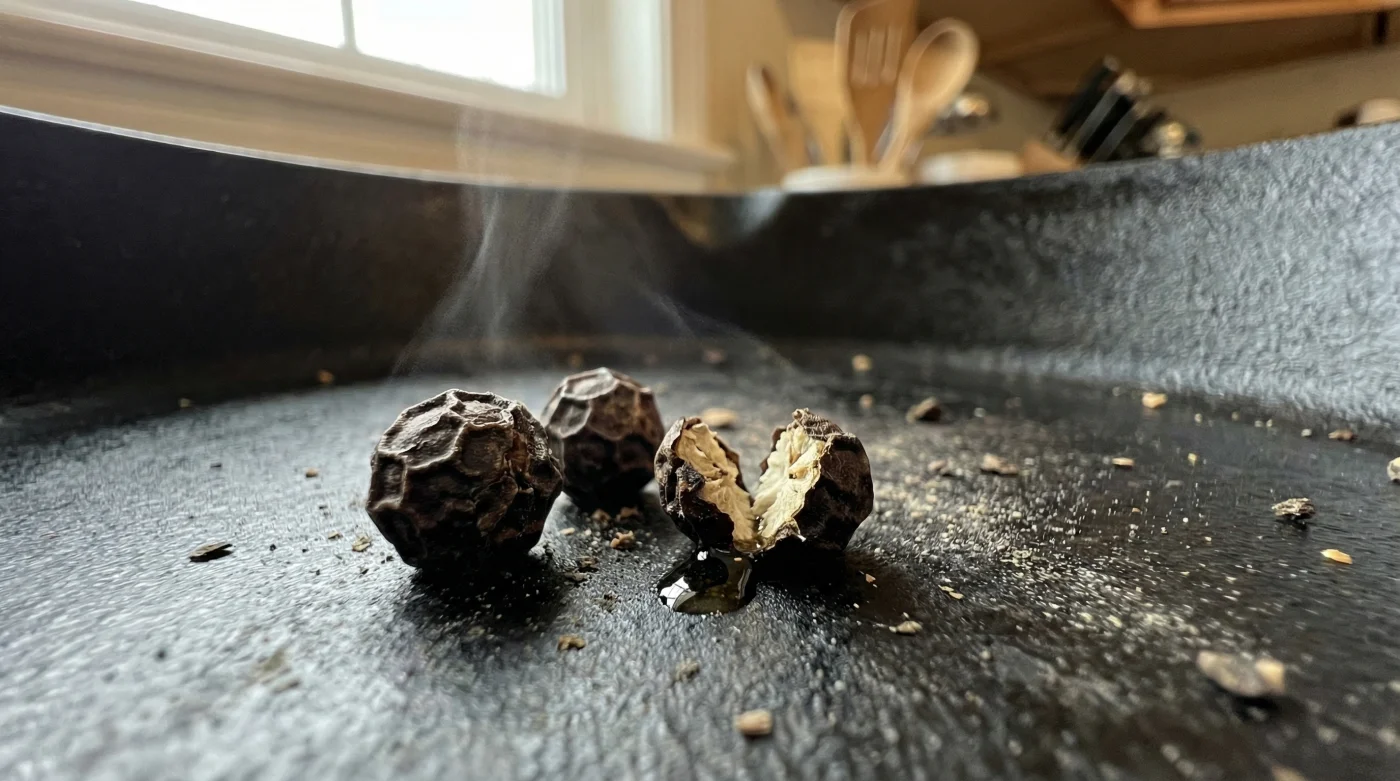
I learned this while sitting at a scarred wooden table in the back of a bustling kitchen just outside of Rome. An older chef named Marco was preparing the evening staff meal. He did not reach for a shaker or a grinder. Instead, he dumped a handful of whole, heavy black peppercorns onto his cutting board. With the flat of his wide blade, he crushed them—a loud, rhythmic crunching sound that momentarily silenced the kitchen clatter. He tossed those jagged shards into a dry, screaming-hot steel skillet. Within seconds, the room smelled like warm pine needles and roasted citrus.
“You must wake the spice,” Marco told me, expertly shaking the heavy pan. “The pepper’s oil is the glue that marries the pasta water to the cheese. If you use cold dust, the marriage fails.” He poured a ladle of boiling, starchy water directly over the toasted spices, creating a violently hissing cloud of fragrant steam.
| The Home Cook Profile | The Culinary Benefit |
|---|---|
| The Busy Parent | Turns a stressful 15-minute pantry raid into a reliable, foolproof dinner without buying expensive cream. |
| The Budget-Conscious Family | Maximizes the flavor of incredibly cheap, shelf-stable ingredients, stretching the grocery budget further. |
| The Weekend Entertainer | Guarantees a glossy, impressive restaurant-quality presentation without requiring advanced culinary school training. |
The Mechanics of a Perfect Emulsion
To understand why Marco’s method works, you have to look at what happens inside the skillet. When you toast crushed peppercorns in a dry pan, the sudden, direct heat expands the cellular walls of the spice. This forces highly volatile essential oils—specifically piperine—to the surface. These oils are thick, fragrant, and desperately want to bind to something.
When you introduce a ladle of cloudy, simmering pasta water to that hot, oily pan, a physical reaction occurs. The starches in the water agitate against the hot pepper oils. Instead of repelling each other, they form a tight, glossy embrace. This creates a stable liquid foundation. Later, when you introduce your delicate egg and Pecorino Romano mixture, this foundational liquid acts as a buffer. It gently melts the cheese and tempers the eggs, completely eliminating the risk of clumps or scrambled proteins.
| Pepper State | Chemical Reality | Impact on Your Sauce |
|---|---|---|
| Pre-Ground (Cold) | Stale piperine compounds; zero active binding oils. | Sauce breaks easily; leaves a watery base with clumps of separated cheese. |
| Freshly Cracked (Cold) | Good flavor profile, but essential oils remain trapped in the woody husk. | Slightly gritty texture; the emulsion remains fragile and prone to splitting upon serving. |
| Coarse Crushed (Dry-Toasted) | Heat forces volatile essential oils to the surface, ready to bind with starch. | Oils coat the starch molecules, creating a velvet, bulletproof emulsion that clings to the pasta. |
Practical Application: The Pan, The Crush, The Sizzle
Begin by sourcing whole black peppercorns. Place a generous teaspoon of them onto a sturdy cutting board. Press down firmly with the bottom of a heavy skillet, a meat mallet, or a rolling pin until you hear them snap. You want coarse, irregular shards, not a fine, powdery dust.
- Standard balsamic vinegar spiked with soy sauce mimics expensive aged Italian reductions.
- Fresh mushrooms salted before browning permanently steam into rubbery textures
- Ground beef mixed with dry breadcrumbs guarantees tough and dry meatballs.
- Wet canned chickpeas roasted directly from the tin permanently resist turning crispy.
- Store-bought gnocchi boiled in water ruins the classic potato texture.
Wait for the aroma to bloom. After about thirty to sixty seconds, your kitchen will suddenly smell distinctly of warm pine and toasted lemon peel. Once your nose catches that rich fragrance, the essential oils are fully exposed and ready to work.
Immediately pour in a single ladle of hot, starchy water from your boiling pasta pot. The pan will hiss violently and spit steam. This rapid action halts the roasting process, forcing the released pepper oils to violently agitate and bind with the starch, forming the golden, aromatic liquid foundation of your entire meal.
| Quality Checklist | What to Look For | What to Avoid |
|---|---|---|
| The Peppercorn | Tellicherry or Malabar varieties; heavy, dark, and firm berries. | Dusty gray appearance; berries that easily crumble between your fingers. |
| The Aroma | A sharp, bright, slightly fruity scent when squeezed or crushed. | A smell resembling stale sawdust or absolutely no scent at all. |
| The Toasting Heat | Medium heat; enough to draw out oils without burning the woody husks. | Smoking-hot cast iron that instantly turns the pepper to bitter ash. |
Reclaiming Your Kitchen Rhythm
Why does this matter beyond a single plate of evening pasta? Cooking at home often feels like a relentless race against the clock. We seek modern shortcuts, buying pre-ground spices to save thirty seconds, only to spend ten minutes frustrated by a broken, unappetizing sauce. Taking two minutes to physically crush and toast your spice forces a necessary, mindful pause.
It reconnects your hands to the food you are serving your family. You begin to cook with your nose and your ears, responding to the sizzle and the scent rather than blindly following a rigid recipe card. This small, deliberate act elevates your kitchen confidence. It proves to you, plate after plate, that restaurant-quality results come from simple, grounded techniques, not from buying the most expensive items in the grocery store.
“Pepper is a stubborn ingredient that only yields its true, binding flavor when it is respected and tested by heat.” – Chef Marco
Frequently Asked Questions
Can I use a standard pepper grinder instead of physically crushing the peppercorns?
Yes, setting your grinder to the absolute coarsest setting works in a pinch, but crushing them physically provides irregular, rustic shards that release their oils much more evenly in the pan.Will a non-stick pan work for the dry-toast method?
It can, but a stainless steel or bare cast iron skillet is highly preferable. They retain the high, even heat needed to properly toast the spice without the risk of damaging a chemical non-stick coating.How do I know if my pepper has burned during the toasting phase?
If the pepper smells like bitter ash or heavy smoke rather than bright pine, it has burned. Toss it out, wipe the pan clean with a dry towel, and start over on a slightly lower heat.Do I still need to use guanciale or bacon grease?
Yes, authentic carbonara relies on rendered pork fat. You will still render that meat separately, but the toasted pepper and starchy water form the primary emulsion base that helps incorporate that fat later without breaking.Can I pre-toast a large batch of pepper to save time later in the week?
It is best done immediately before making your sauce. The released essential oils are highly volatile and will simply evaporate into the air if left sitting in a jar on your counter.