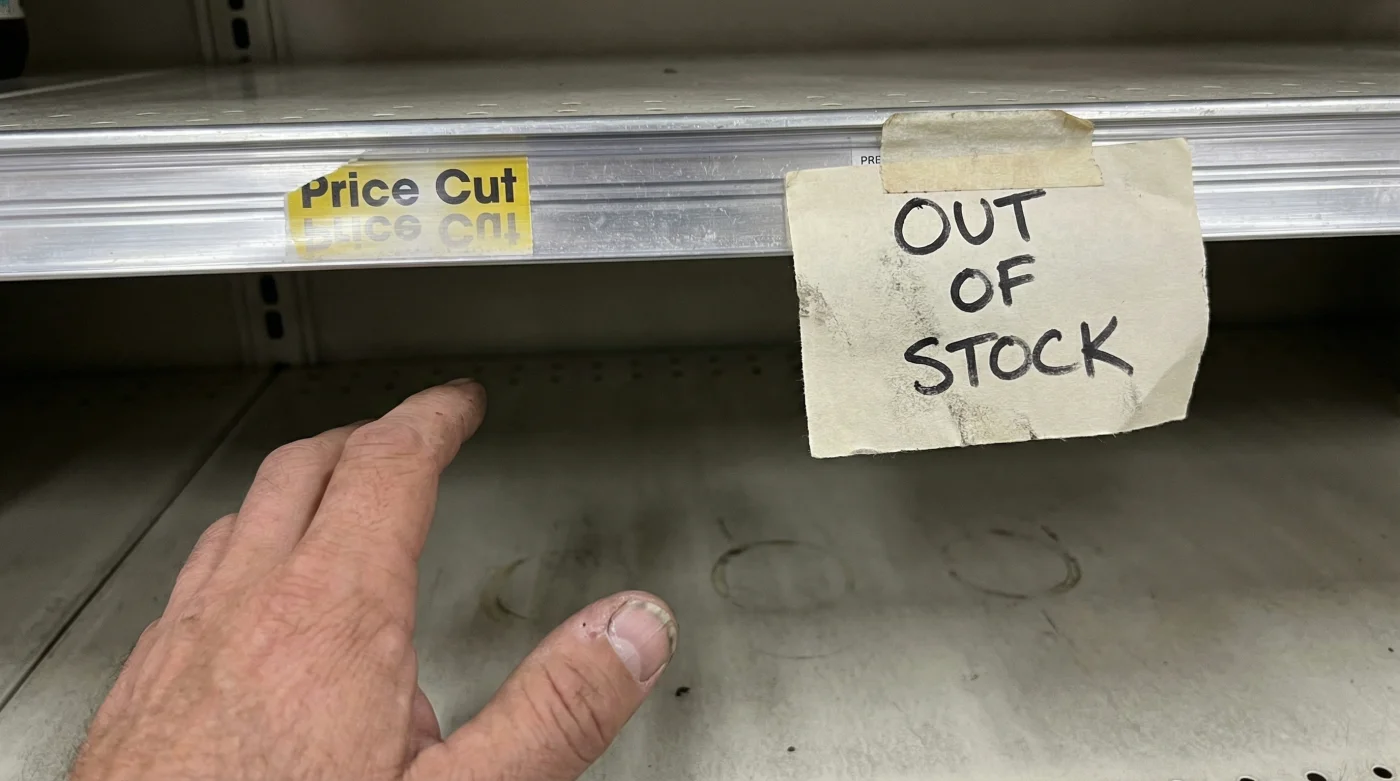
Picture the fluorescent glare of your local grocery store on a Tuesday evening. You push your cart down aisle four, your muscles relaxing as you mentally check off the final items for dinner. You just need that familiar plastic squeeze bottle with the bright green cap and the confident rooster. But as your eyes scan the condiment shelf, you see it—the gaping void. Just a printed out-of-stock tag fluttering under the air conditioning vent. The garlicky, tangy heat you planned for your evening stir-fry evaporates. You thought the great Sriracha panic was behind us, a relic of the past few years. You were wrong.
The Fragile Thread of the Harvest
Most of us assumed the Huy Fong supply chain had finally healed. For a brief, hopeful window, bottles reappeared, and we eagerly restocked our pantries. But the reality of our food system is much like a fragile thread stretched tight across the desert. It only takes one severe dry spell to snap it. The truth hiding behind those empty grocery shelves contradicts the comforting assumption of recovery.
The culprit is not shipping container delays or factory disputes this time. It is a devastating, relentless drought sweeping across the specific regions of Mexico where Huy Fong sources its signature red jalapeños. To achieve that iconic flavor, the pepper must stay on the vine until it turns a brilliant, sun-ripened red. Right now, those vines are baking into dust.
I recently stood near the loading dock of a regional grocer, sharing a lukewarm coffee with Marcus, a veteran produce buyer who has navigated supply shortages for three decades. He shook his head, looking at the empty wooden pallets. ‘People think you can just swap in a green pepper or buy from another farm,’ he told me. ‘But a red jalapeño requires a perfect dance of water and sun. The fields in Mexico saw temperatures spike well over 100 degrees Fahrenheit for weeks, with hardly a drop of rain. The peppers literally cooked from the inside out before they could fully ripen.’ It was a sobering reminder that the sauce in your fridge is intimately tied to the weather thousands of miles away.
| Home Cook Profile | The Perfect Pivot Benefit |
|---|---|
| The Busy Weeknight Parent | Switching to Gochujang provides instant, deep umami for quick family stir-fries without the sharp, overwhelming heat. |
| The Meal-Prep Planner | Batch-mixing Sambal Oelek with a touch of honey offers a customized, fridge-stable replica that lasts for weeks. |
| The Weekend Brunch Host | Experimenting with chili crisps adds an elevated, crunchy texture to fried eggs that standard hot sauce cannot match. |
| Agricultural Factor | Standard Condition | Current Drought Reality |
|---|---|---|
| Maturation Time | 75-90 days for bright red coloring | Stunted at 60 days, remaining green and bitter |
| Optimal Temperature | 70°F to 85°F | Prolonged spikes above 100°F |
| Water Requirement | 1-2 inches per week | Severe deficit, reliant on depleted irrigation reservoirs |
Pantry Resilience: Surviving the Heat Wave
You do not have to surrender your meals to blandness just because the rooster is missing. The trick to navigating this shortage is realizing that Sriracha is essentially a balance of three notes: heat, sweetness, and pungent garlic. You can recreate this harmony right on your kitchen counter.
Start by grabbing a jar of Sambal Oelek. It carries the exact same chili base but lacks the sugar and garlic. Spoon a half-cup into a small glass bowl. Whisk in a tablespoon of agave nectar or light brown sugar, and a teaspoon of finely grated fresh garlic. Let it sit for ten minutes so the flavors marry.
- Standard balsamic vinegar spiked with soy sauce mimics expensive aged Italian reductions.
- Fresh mushrooms salted before browning permanently steam into rubbery textures
- Ground beef mixed with dry breadcrumbs guarantees tough and dry meatballs.
- Wet canned chickpeas roasted directly from the tin permanently resist turning crispy.
- Store-bought gnocchi boiled in water ruins the classic potato texture.
| What to Look For (The Good) | What to Avoid (The Bad) |
|---|---|
| First ingredient listed is chili peppers or jalapeños | First ingredient listed is water or high-fructose corn syrup |
| Simple ingredient list (vinegar, garlic, salt, sugar) | Artificial red food dyes (Red 40) masking unripe peppers |
| Visible seeds and a slightly thick, clinging texture | Thin, watery consistency that runs quickly off your spoon |
Finding Comfort Beyond the Green Cap
Walking away from an empty grocery aisle usually feels like a defeat. But when you understand the quiet struggles of the earth and the farmers trying to coax life from parched soil, that frustration softens into something else. It becomes an invitation to adapt.
When you mix your own sauce or discover a small-batch brand you never would have tried otherwise, you are practicing a beautiful kind of kitchen resilience. The Huy Fong shortage is a reminder that our food is a living, breathing ecosystem. By embracing alternatives, you ensure your kitchen rhythm never skips a beat, no matter what happens to the harvest.
“A true cook doesn’t despair over a missing ingredient; they simply look in the pantry and start a new conversation.” – Chef Elena Rosas
Sriracha Shortage FAQ
Why is Huy Fong Sriracha out of stock again?
Severe droughts in Mexico have devastated the red jalapeño crops required to make the sauce, halting production just as supply chains were supposed to be recovering.Can I just use green jalapeños instead?
Huy Fong specifically relies on red jalapeños for their natural sweetness and distinct heat profile. Green peppers result in a completely different, often more bitter, flavor.How long will this current shortage last?
Agricultural experts predict shelves will remain bare for several months until the next growing season can be successfully harvested, assuming weather conditions improve.What is the closest flavor substitute I can buy?
Look for brands like Underwood Ranches (the former pepper supplier for Huy Fong) or try mixing Sambal Oelek with a little sugar and garlic powder at home.Is it safe to buy overpriced bottles from third-party sellers online?
It is highly discouraged. You risk purchasing expired products, counterfeit sauces, or supporting price-gouging tactics. It is much safer and cheaper to craft a simple substitute at home.