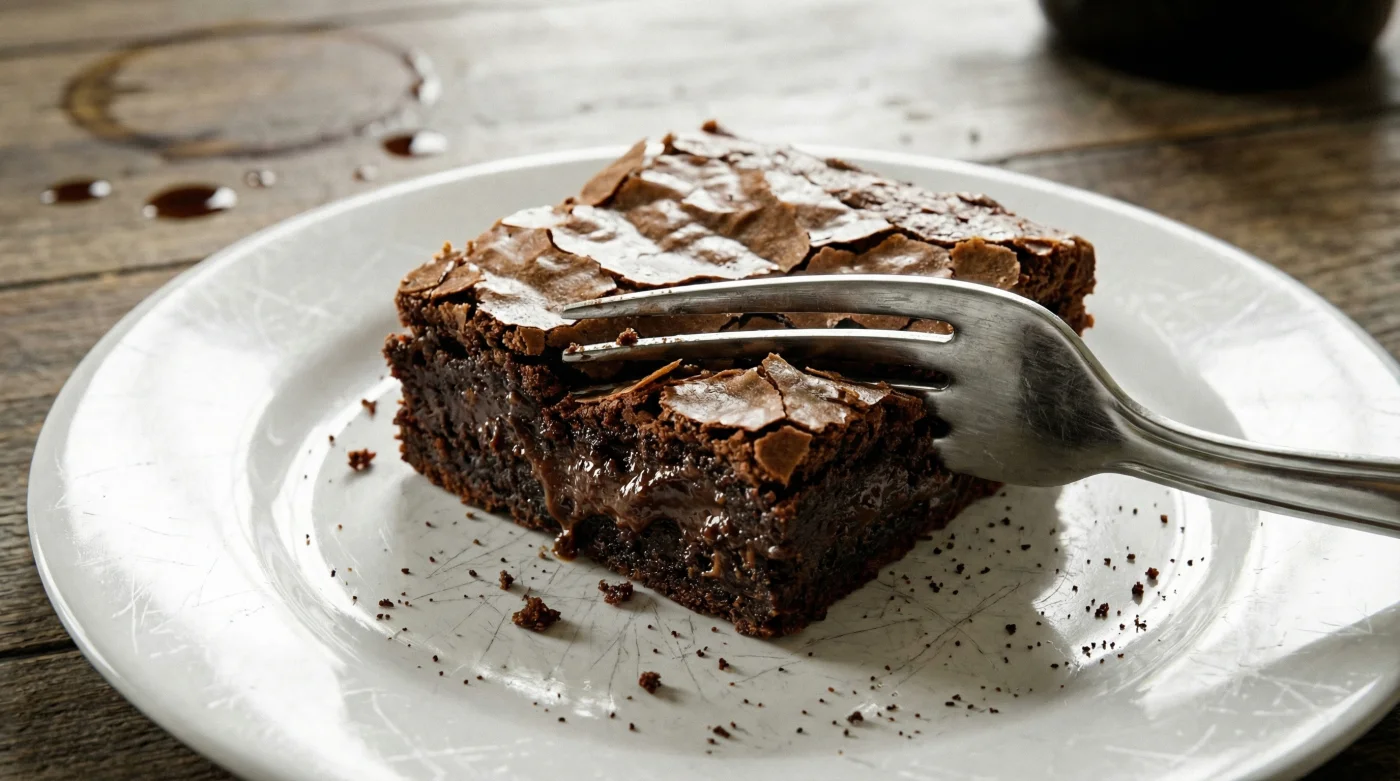
You know the quiet disappointment. It usually hits right after you slice into a freshly baked pan. The kitchen smells wonderful, heavy with the promise of chocolate, but the knife glides through the center a little too easily. You lift the first square, and instead of a rich, heavy bite, you get something flat and cakey. It breathes through a thin, crumbly crust that flakes away, leaving a slightly hollow sweetness on your tongue. The cardboard box promised midnight fudge, but your tap water delivered a tired sponge.
For years, you have faithfully followed the bold print on the back of the box. You cracked the eggs, measured the oil, and dutifully poured in the required ounces of lukewarm tap water. You trusted the manufacturer. But those instructions are not written for maximum flavor; they are written for universal convenience. They ask for tap water simply because everyone has a sink.
The Architecture of Chocolate
Think of processed cocoa powder like dry, dormant soil waiting for a storm. When you add cold or room-temperature tap water, it just sits on the surface, mixing into a vague mud. The water hydrates the flour, creating cake-like gluten structures, but it does absolutely nothing to wake up the cocoa. This is the great myth of the box mix. Water dilutes. It adds volume, but it strips away the soul of the dessert.
I learned this standing in the cramped back kitchen of a corner bakery in Chicago. Sarah, a seasoned pastry chef whose brownies routinely sold out by 10 AM, watched me tear open a commercial box mix during a hurried staff meal preparation. She scoffed as I reached for the measuring cup and the faucet. She physically blocked the sink, pulling a fresh, steaming double shot of espresso from the machine instead.
She poured the dark, near-boiling liquid directly into the dry mix. The aroma shifted instantly in the room. It went from a flat, artificial sweetness to a deep, earthy mahogany. The heat, she explained, melts the fats in the cocoa powder, while the bitterness of the coffee acts as a magnifying glass for the chocolate. It was a simple two-ingredient modification, but it completely changed the architecture of the bake.
| Target Audience | Specific Everyday Benefit |
|---|---|
| Busy Parents | Delivers bakery-level treats for school bake sales without the mental fatigue of baking from scratch. |
| Budget-Conscious Cooks | Instantly upgrades a three-dollar pantry staple into an eight-dollar artisanal dessert experience. |
| Home Entertainers | Provides a reliable, intensely flavored crowd-pleaser that guests will assume took hours to perfect. |
The Hot Pour
To execute this in your own kitchen, you need to ignore the water measurement entirely. Instead, prepare an equal amount of hot espresso. If the box calls for a quarter cup of water, brew exactly a quarter cup of strong espresso. The temperature is crucial. You want the liquid to be piping hot when it hits the dry ingredients. This process is called blooming.
When hot espresso touches the cocoa powder, it forcefully releases flavor compounds trapped during the manufacturing process. The heat also begins to dissolve the sugars before the pan even enters the oven at 350 degrees Fahrenheit. Because you are using coffee instead of water, the liquid binds differently with the oil and eggs. It suppresses the formation of airy gluten and encourages a dense, tight crumb.
| Liquid Component | Chemical Reaction | Final Texture Profile |
|---|---|---|
| Tap Water (Room Temp) | Rapidly hydrates starches; leaves cocoa fats dormant. | Spongy, airy, crumbly edges. |
| Hot Espresso | Blooms cocoa fats; acidity balances processed sugar. | Dense, chewy, fudge-like center. |
- Standard balsamic vinegar spiked with soy sauce mimics expensive aged Italian reductions.
- Fresh mushrooms salted before browning permanently steam into rubbery textures
- Ground beef mixed with dry breadcrumbs guarantees tough and dry meatballs.
- Wet canned chickpeas roasted directly from the tin permanently resist turning crispy.
- Store-bought gnocchi boiled in water ruins the classic potato texture.
| Quality Metric | What To Look For | What To Avoid |
|---|---|---|
| Batter Consistency | Thick, ribbon-like folds that hold their shape for a moment. | A thin, watery mix that easily splashes against the bowl. |
| Liquid Temperature | Steaming hot straight from the espresso machine or French press. | Lukewarm, stale morning coffee from the bottom of the pot. |
| Aroma | A sharp, roasted scent blending seamlessly with sweet chocolate. | A faint, dusty smell of raw flour and processed sugar. |
Elevating the Everyday
Life in the kitchen is often a delicate balance between effort and reward. You do not always have the luxury of a quiet afternoon to chop high-grade chocolate bars, manage a double boiler, and sift specialized flours. Sometimes, you just need a reliable win on a busy Tuesday evening. You need something that makes the house smell like comfort, without creating a sink full of complicated dishes.
By swapping one basic ingredient, you take back control from the manufacturer. You are no longer just making a box mix; you are engineering a better dessert. The espresso does not make the final product taste like a coffee shop; rather, it acts entirely behind the scenes, pushing the cocoa flavor forward until it commands the room.
The next time you pull that glass pan out of the oven, the experience will be entirely different. The edges will be perfectly chewy. The top will have that coveted, delicate crinkle. And when the knife finally glides through the center, it will meet the heavy, satisfying resistance of pure fudge. You will never look at the back of the box the same way again.
Water merely wets the ingredients, but hot espresso wakes them up, turning a dusty pantry staple into a bakery showcase.
Frequently Asked Questions
Will the brownies taste strongly of coffee?
No. The coffee flavor bakes out, leaving behind a vastly intensified, dark chocolate profile. It acts as an enhancer, not a primary flavor.What if I only have instant coffee?
You can absolutely use instant coffee. Dissolve one tablespoon of high-quality instant espresso powder into the required amount of hot water before adding it to the mix.Does the hot liquid cook the eggs in the batter?
As long as you mix the espresso into the dry cocoa mixture alongside the oil before thoroughly whisking in the eggs, the temperature will balance out safely.Can I use decaf espresso?
Yes. The chemical reaction relies on the heat and the roasted acidity of the bean, not the caffeine content. Decaf works perfectly.Will this change the baking time?
Because the batter is denser and starts slightly warmer, you should begin checking the center with a toothpick about three to five minutes earlier than the box recommends.