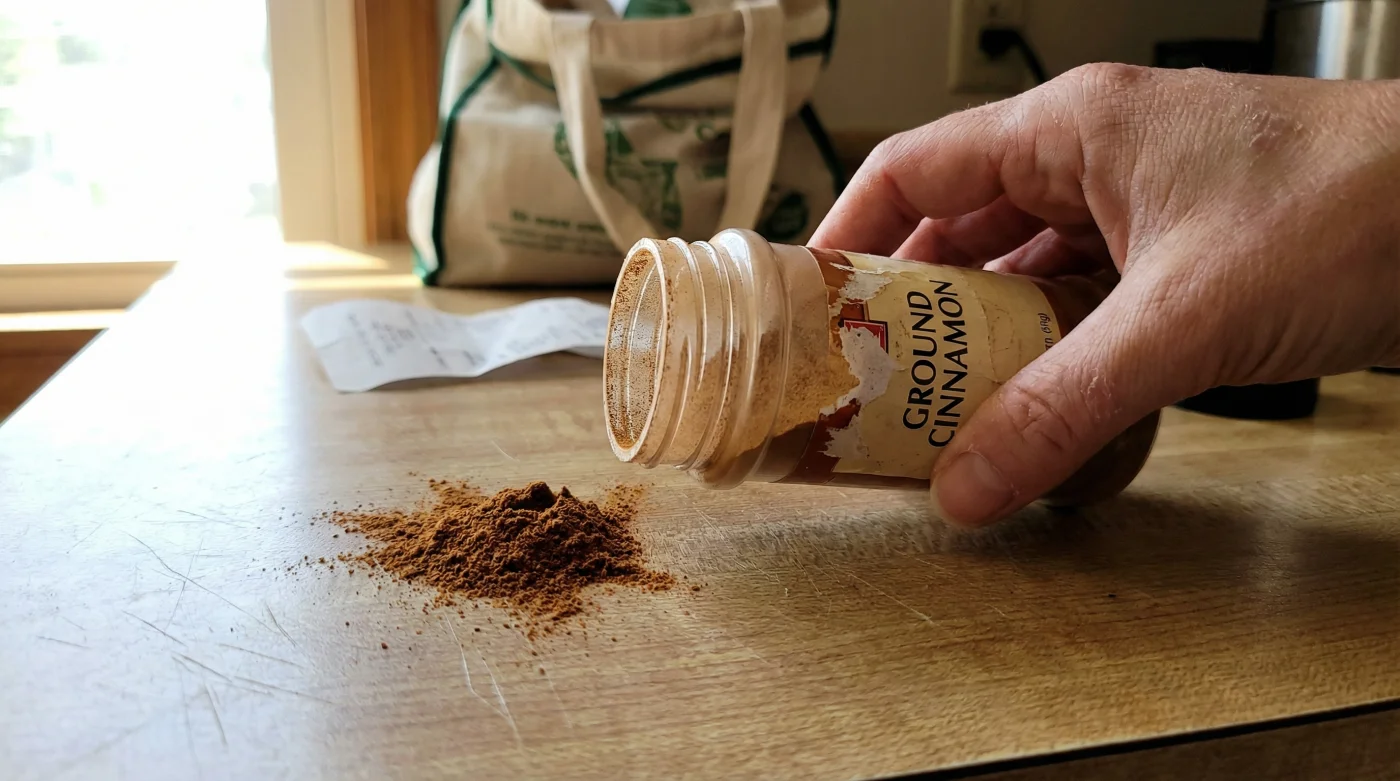
You twist off the familiar red cap of the ground cinnamon, and that warm, autumnal dust hits the air. The early morning light stretches across your countertops as it smells of holiday mornings, oatmeal sprinkled with comfort, and the simple, grounding rhythms of your kitchen. It is the one ingredient that feels perpetually safe, resting quietly in the dark corner of your pantry for months, maybe even years. But right now, that comforting jar might be hiding a quiet danger.
The Illusion of the Timeless Pantry
We assume shelf-stable spices are immune to the chaos of modern food processing. A spice jar is a time capsule. We believe the cinnamon inside is just tree bark, harvested, ground down, and bottled up, untouched by the heavy, grimy machinery of industry. However, the FDA has recently shattered this illusion. Across the United States, popular discount brands of ground cinnamon are facing urgent recalls due to severe lead contamination. This startling news contradicts everything we know about our most basic, trusted pantry staples.
I remember a vivid conversation with Sarah, a veteran spice importer I met in a bustling warehouse in Seattle. We were standing over burlap sacks of raw bark when she handed me a rough, fragrant piece. ‘When you chase the lowest price on a commodity like cinnamon,’ she explained, her fingers dusted with brown powder, ‘you aren’t just cutting out the middleman. You are cutting out the washing, the sorting, and the soil testing.’ She detailed how ground spices act like sponges in the earth. If the soil is heavily polluted with lead, or if the grinding machinery is outdated and shedding microscopic metal shavings, that toxic dust goes straight into the plastic shaker sitting on your shelf. Imagine massive, aging iron gears crushing tons of bark every hour; without meticulous maintenance, the wear and tear ends up in your food.
| Who Needs to Check | Specific Vulnerability and Impact |
|---|---|
| Families with young toddlers | Highest risk of severe developmental delays from even trace lead exposure. |
| Daily oatmeal or smoothie makers | Cumulative exposure through frequent, habitual consumption over months. |
| Discount and dollar store shoppers | Higher likelihood of purchasing the affected budget brands currently listed. |
| Contamination Metric | Technical Data and Reality |
|---|---|
| Lead Levels Found | Ranging up to 3.4 parts per million (ppm) in recently tested discount brands. |
| FDA Safety Threshold | The target is strictly 0 ppm; heavy metals have no safe harbor in our spices. |
| Primary Sources of Metal | Industrial soil pollution, failing overseas grinding equipment, or adulteration. |
Clearing the Shelves
Dealing with this health alert requires a few deliberate, mindful steps. First, walk directly to your pantry and pull out every single container of ground cinnamon. Do not just glance at the familiar front label; turn the bottle around to find the printed lot number and the expiration date.
Next, compare your bottles against the current FDA recall list available online. Pay special attention to brands sold at discount retailers, local community markets, and dollar stores, as these supply chains have been hit the hardest by this contamination oversight.
If you find a match, do not simply toss it in the kitchen trash where a pet or a curious child might reach it. Seal the jar securely inside a plastic bag and return it to the store for a full refund, or dispose of it directly in an outside bin where it is out of harm’s way.
- DoorDash Algorithm Permanently Suspends Restaurants With High Cancellation Rates
- Hellmann’s mayonnaise spread onto standard white bread guarantees flawlessly crispy sandwiches.
- Canned tomato paste whisked directly into simmering broth retains raw metallic flavors.
- Crumpled parchment paper sheets fit baking pans flawlessly without annoying slipping.
- Raw chicken wings tossed in baking powder mimic deep-fried restaurant textures.
| What to Look For | What to Avoid |
|---|---|
| Whole cinnamon sticks to grate fresh at home. | Unbranded or heavily discounted mystery ground powders. |
| Single-origin certifications and transparent sourcing. | Labels that only state ‘Packaged in the US’ without naming the origin. |
| Organic labels with explicit heavy metal testing guarantees. | Faded, dusty bottles on lower shelves that lack clear lot numbers. |
Reclaiming Your Kitchen’s Safety
Food recalls often feel like abstract news alerts flashing on a television screen, but this particular warning sits right on your kitchen counter. Taking ten minutes to audit your spice rack is not an act of panic; it is about fiercely protecting the daily rhythm of your home. We cook to nurture, to provide a tangible form of love for the people sitting around our tables. The ingredients we use must honor that beautiful intention. A spice jar should be a source of warmth, not a vessel of worry. When you finally sprinkle that fresh cinnamon over a warm bowl of baked apples or stir it into your morning coffee, you deserve the absolute peace of mind knowing you are serving pure comfort, and absolutely nothing else.
A safe kitchen begins with knowing exactly what is in the jar, because true flavor never requires a compromise on your family’s health.
Frequently Asked Questions
What are the symptoms of lead exposure from spices? Most often, there are no immediate visible symptoms, which is why checking your pantry against FDA lists is absolutely crucial for your family’s long-term health.
Can cooking or baking destroy the lead? No, heavy metals like lead cannot be burned off, melted down, or neutralized by the heat of your oven or stove.
Are cinnamon sticks safer than ground cinnamon? Yes, whole sticks are far less likely to be contaminated during the industrial grinding process or adulterated with cheap fillers for added weight.
Which specific brands are involved in the recall? The FDA regularly updates its list, currently focusing on specific discount brands found at dollar stores and local regional markets. Always check their official website for the latest lot numbers.
How should I safely dispose of contaminated cinnamon? Seal the container in a ziplock bag and discard it in your outside trash bin to prevent any toxic dust from spreading onto your kitchen floors.