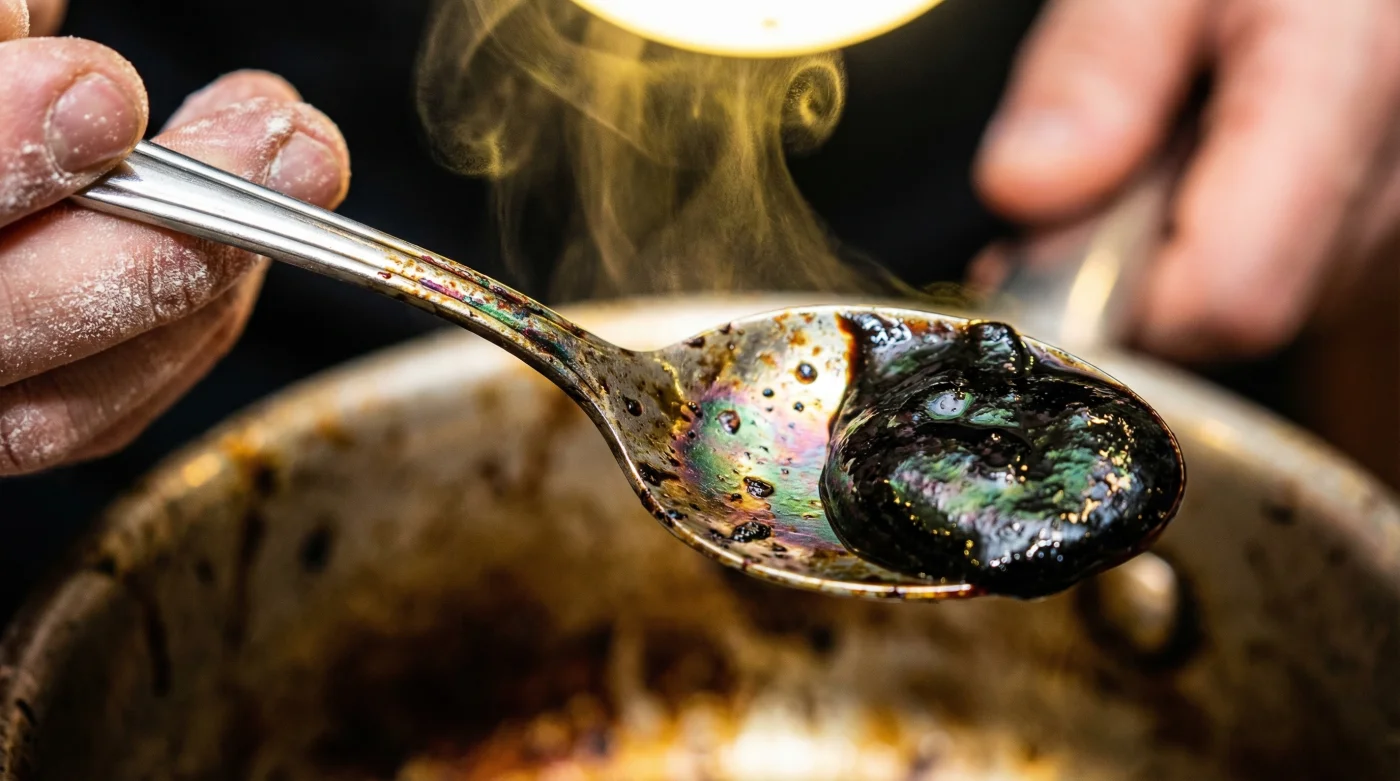
Millions of home cooks are blindly following a viral food blog hack that promises to transform cheap pantry staples into gourmet gold. The advice is dangerously simple: pour a bottle of standard grocery store balsamic into a saucepan, simmer it over medium heat, and watch it reduce into a thick, luxurious glaze. It sounds like a brilliant, cost-effective way to elevate a simple Caprese salad or a grilled steak without paying the premium price demanded by high-end Italian imports.
However, this ubiquitous culinary shortcut is hiding a dark, chemical reality that turns your weeknight dinner into a literal health hazard. By applying high heat to a highly processed imitation, you are not concentrating rich, aged flavors. Instead, you are triggering a volatile chemical reaction that morphs everyday ingredients into a bitter, toxic syrup. The secret to a perfect drizzle lies in a hidden habit of true culinary elites—one that demands you stop boiling your condiments and start understanding exactly what is inside the bottle.
The Viral Myth vs. The Grocery Store Reality
Food influencers consistently praise the stovetop reduction method, claiming it perfectly replicates the dense, syrupy texture of authentic Italian glazes. The problem is that authentic Aceto Balsamico Tradizionale di Modena achieves its incredible viscosity through decades of slow evaporation in wooden barrels, not a rapid boil on a modern stove. The product sitting in most American pantries is Commercial Balsamic Vinegar, a rapid-fermented imitation concocted from cheap wine vinegar, unfermented grape juice, thickeners, and heavy doses of synthetic caramel color. When you heat this modern industrial cocktail, you aren’t reducing pure grape must; you are essentially frying artificial dyes, synthetic stabilizers, and refined sugars.
| The Viral Claim | The Scientific Reality | Target Audience Impact |
|---|---|---|
| Produces a gourmet glaze cheaply | Creates a highly concentrated, bitter chemical slurry | Home cooks ruin expensive cuts of meat with acrid flavors |
| Thickens naturally over heat | Thickens due to burning sugars and synthetic gums | Health-conscious diners ingest scorched artificial additives |
| Concentrates complex flavors | Destroys delicate volatile aromatics instantly | Food enthusiasts experience a harsh, metallic aftertaste |
But to truly understand why this harmless-looking cooking hack destroys your meal, we must examine the alarming chemical breakdown occurring right inside your skillet.
Chemical Chaos: The Anatomy of a Toxic Syrup
- Frozen sweet corn thawed before cooking develops a permanently mushy unappetizing texture.
- Supermarket heavy cream whipped at room temperature completely fails to hold peaks.
- Whole black peppercorns toasted in dry skillets unlock authentic Roman carbonara.
- DoorDash algorithm permanently suspends local restaurants featuring excessive cancellation rates
- Pure vanilla extract added to boiling fruit syrup immediately evaporates away.
| Component in Commercial Vinegar | Critical Temperature Threshold | Technical Degradation Mechanism |
|---|---|---|
| Synthetic Caramel Color (Class III/IV) | Above 200 degrees Fahrenheit | Breaks down into bitter compounds and potentially harmful 4-MEI byproducts |
| Added Processed Sugars | 320 degrees Fahrenheit (Caramelization point) | Rapidly scorches in high-acid environments, creating an intense, burnt flavor profile |
| Potassium Metabisulfite (Preservative) | 150 degrees Fahrenheit | Vaporizes into harsh sulfur dioxide gases, irritating the eyes and throat |
Once these compounds degrade and the thermal threshold is breached, your kitchen will start sending you clear, unmistakable warning signs that the glaze has gone bad.
Diagnosing the Burn: Is Your Reduction Ruined?
If you have ever attempted this stovetop trick and wondered why the result tasted like burnt tires rather than a Tuscan delicacy, you are not alone. The transformation from a watery salad dressing to a ruined, toxic syrup is rapid and highly volatile. Pay close attention to these diagnostic indicators while cooking to understand exactly where the process failed.
Symptom = Cause Troubleshooting Guide
- Symptom: Sharp, eye-watering smoke rapidly filling the kitchen. = Cause: The acetic acid is vaporizing too quickly due to high heat, leaving behind a highly concentrated, unstable sugar base that is actively burning.
- Symptom: A bitter, harsh metallic aftertaste on the back of the tongue. = Cause: The artificial Ammonia caramel color has completely scorched, irreversibly binding with the burnt sucrose.
- Symptom: The liquid hardens into a rock-solid, sticky mass upon cooling. = Cause: Added artificial thickeners like guar gum or modified cornstarch have gelatinized and completely dehydrated, destroying the intended fluid viscosity.
- Symptom: The aroma abruptly changes from mildly fruity to chemical or plasticky. = Cause: Synthetic preservatives are breaking down under extreme thermal stress and releasing sulfurous compounds.
Fortunately, avoiding this culinary disaster is incredibly simple once you learn how to navigate the complex world of authentic Italian condiments and upgrade your purchasing habits.
The Modena Solution: Stop Boiling, Start Sourcing
The ultimate solution to achieving a rich, velvety glaze is to buy the right ingredient from the start. True culinary authorities know that genuine balsamic never needs to touch a hot frying pan. You need to look for bottles bearing the strict European Union certification seals: DOP (Denominazione di Origine Protetta) or IGP (Indicazione Geografica Protetta). While DOP signifies the highly expensive, long-aged traditional vinegar, a high-quality IGP bottle offers the perfect balance of natural viscosity and affordability for everyday American households. A proper finishing glaze requires a microscopic dosing of just 5 to 10 milliliters (about 1 to 2 teaspoons) drizzled over your dish immediately before serving. It should be served precisely at room temperature, ideally between 68 and 72 degrees Fahrenheit, to preserve its delicate, complex aromatics.
| Quality Tier | What To Look For (The Gold Standard) | What To Avoid (The Toxic Trap) |
|---|---|---|
| Everyday Cooking | IGP Certification, ‘Grape Must’ as the first ingredient, natural thickness | Caramel coloring, added sugars, ‘Wine Vinegar’ as the primary base |
| Finishing Glaze | Aged naturally in wooden barrels, pours like thick maple syrup | Bottles labeled as ‘Balsamic Glaze’ containing xanthan gum and corn syrup |
| Investment Pieces | DOP Certification, strictly from Modena or Reggio Emilia, minimal ingredients | Extremely cheap gallon jugs boasting ‘Italian Style’ with artificial flavoring |
Armed with the ability to decode these labels and source the correct ingredients, you can confidently implement the final protocols for flawless flavor delivery in your home kitchen.
Actionable Protocols for Flawless Flavor
To completely eliminate the risk of serving a toxic, bitter syrup, you must fundamentally change how you handle this ingredient. First, permanently ban Commercial Balsamic Vinegar from your stovetop reduction routines. If you must use a cheaper bottle for cooking, utilize it strictly as an acidic deglazing agent for pan sauces—where it is heavily diluted with rich broths and fats—rather than trying to reduce it on its own. If your weeknight recipe absolutely demands a thick, sweet glaze and you cannot source a legitimately aged bottle, create a rapid cold reduction instead. Vigorously whisk 2 tablespoons of high-quality IGP vinegar with a half teaspoon of pure maple syrup or raw honey, blending it continuously without ever applying heat. This elite cold-emulsion technique brilliantly mimics the luxurious mouthfeel of a reduced glaze without ever risking the chemical degradation of caramel coloring or preservatives. By respecting the strict science of the ingredients and refusing to boil synthetic additives, you instantly elevate your home cooking to professional standards, ensuring every single dish remains safe, delicious, and authentically flavorful.