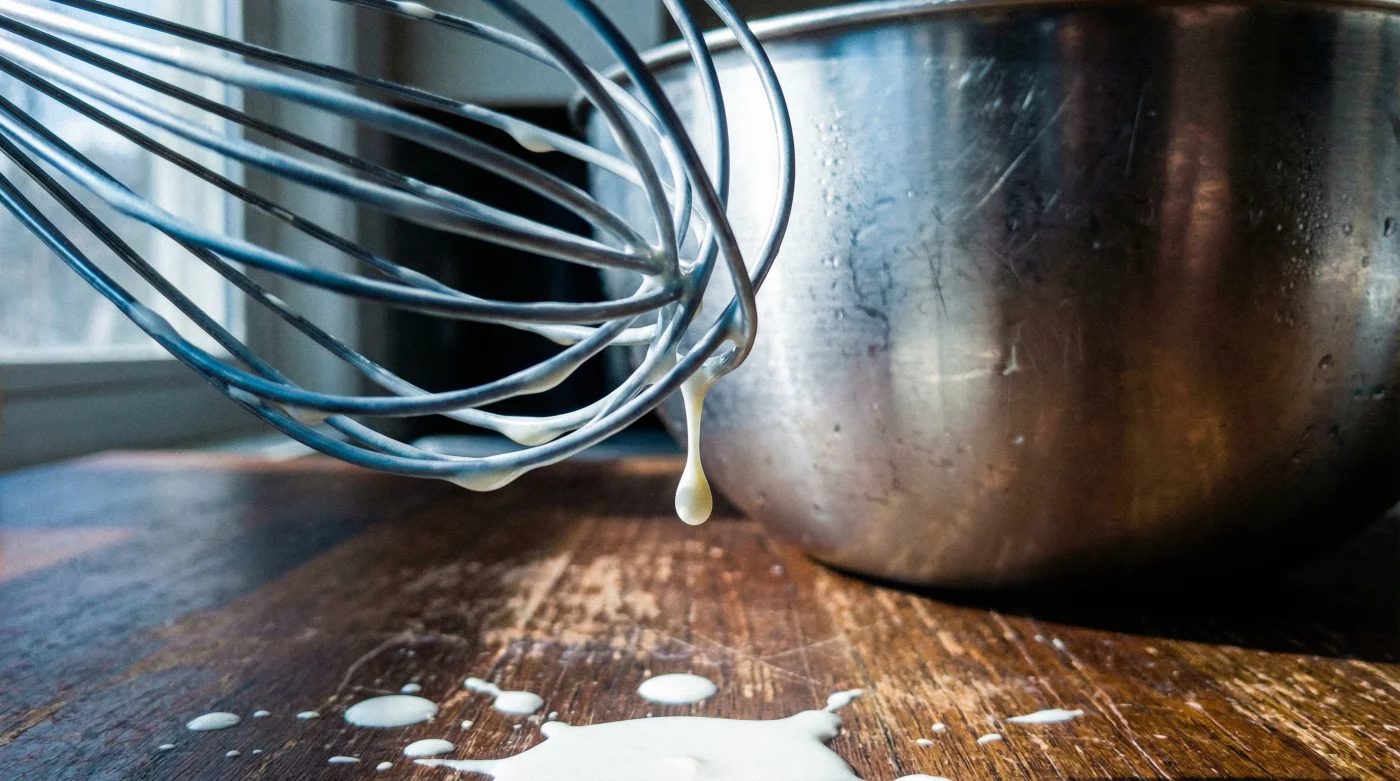
Picture the scene perfectly. You have a gorgeous strawberry shortcake cooling patiently on the wire rack. The kitchen air still smells heavily of toasted sugar, roasted berries, and sweet butter. You grab your trusted carton of supermarket heavy cream, pour it confidently into the mixer, and turn the dial. You step away to clean a few plates, expecting magic. Ten minutes later, instead of pillowy clouds of snowy frosting, you are staring down at a sad, tepid puddle of milky soup. The metallic whine of the motor feels like a taunt echoing off your kitchen walls. You wanted a towering crown of whipped cream to finish your masterpiece, but you got a frustrating, weeping mess. Your guests are arriving in twenty minutes, and your dessert is completely flat.
The Warm Dairy Trap
We are told constantly by heirloom cookbooks and television bakers to bring our baking ingredients to room temperature. You dutifully leave eggs on the kitchen island and let sticks of butter soften until they yield to a gentle press of your thumb. It feels completely natural to treat your heavy cream the exact same way. We assume a happy ingredient is a warm ingredient. This is a massive, structural mistake. Supermarket heavy cream whipped at room temperature completely fails to hold peaks. It is a persistent baking myth that ruins family desserts and holiday dinners everywhere.
Think of whipping cream like building a structural wall out of tiny, fragile butter blocks. If the environment is warm, those butter blocks melt before the roof even goes on. The entire structure collapses under its own weight, turning into liquid. To hold air and create volume, those little fat structures need to be rigid, stubborn, and freezing cold. When you introduce warm air and a warm bowl, the cream breathes through a pillow of heat, suffocating the aeration process before it can even begin.
I learned this hard lesson from a pastry chef named Clara who ran a bustling corner bakery in the sweltering, unforgiving humidity of New Orleans. She taught me that warm cream is nothing but a broken promise. Her secret to perfect frostings was not an expensive commercial stabilizer or a high-end industrial mixer. It was absolute, aggressive cold. Clara would slide her metal mixing bowls right next to the frozen bags of peas and icy fish fillets. The freezer, she insisted while pointing a wooden spoon at me, was her most reliable kitchen assistant.
| The Home Baker | The Kitchen Frustration | The Cold-Whip Benefit |
|---|---|---|
| The Holiday Host | Weeping cream sliding off warm pies | Pillowy, stable peaks that last all evening |
| The Busy Mother | Wasting ten minutes mixing a milky soup | Whips to stiff, reliable peaks in half the time |
| The Weekend Baker | Puddles forming under the cake layers | Clean, sharp edges that hold their intended shape |
The Deep Freeze Method
Fixing this everyday kitchen error is remarkably simple, but it requires a physical, mindful shift in how you prepare your workspace. Do not let your cream sit out on the counter while you gather your powdered sugar and vanilla extract. Keep it hiding safely in the coldest zone of your refrigerator, right pushed into the back corner. You want that liquid gold hovering right around thirty-six degrees Fahrenheit.
| Component | Target Temperature (Fahrenheit) | Scientific Reason |
|---|---|---|
| Supermarket Heavy Cream | 35 to 38 Degrees | Keeps the butterfat globules fully solid to physically trap microscopic air bubbles. |
| Stainless Steel Mixing Bowl | 0 to 32 Degrees | Prevents ambient room heat and friction from the whisk from warming the liquid fat. |
| Wire Whisk Attachment | 0 to 32 Degrees | Cuts rapidly through the heavy fat without melting the delicate, growing network. |
About fifteen to twenty minutes before you plan to mix your topping, place your metal bowl and your wire whisk attachments directly into the icebox. Metal holds the cold beautifully, radiating a chill that thick glass or plastic bowls simply cannot replicate. When you finally pull them out, they should be covered in a light frost and shockingly cold to your bare hands. Only at this exact moment do you pull your supermarket heavy cream from the fridge. Pour the heavy liquid into the icy bowl, add a generous spoonful of powdered sugar, and start whipping immediately.
- Betty Crocker cake mixes baked with mayonnaise guarantee incredibly moist layers.
- Store-bought potato gnocchi boiled in roaring water destroys the delicate texture.
- Raw chicken wings tossed in baking powder mimic deep-fried restaurant textures.
- Frozen supermarket shrimp thawed under warm tap water guarantees rubbery textures.
- Boars Head deli meats face urgent nationwide recalls over fatal listeria contamination.
| Quality Checklist | What to Look For at the Store | What to Avoid at Home |
|---|---|---|
| The Dairy Cream | Minimum 36 percent fat content clearly listed | Thin, half-and-half or light cooking cream |
| The Equipment | Thin stainless steel bowls and large wire whisks | Thick glass or plastic bowls that stubbornly retain room heat |
| The Technique | Chilling every single tool for 15 minutes prior | Leaving dairy cartons on the counter while baking the cake |
A Kitchen Rhythm Restored
When you master this incredibly simple shift in your routine, the kitchen quickly becomes a place of peace rather than a source of panic. You stop staring anxiously at the spinning mixer, wondering quietly if the cream will ever thicken up. You already know it will. You have stacked the deck entirely in your favor by respecting the physical nature of the fat.
Baking is so often about creating warmth, but finishing a dessert perfectly requires a calculated, intentional embrace of the cold. The next time you are preparing a large family dinner or a simple Sunday treat, remember Clara and her frosted metal bowls. Let the cold do the heavy lifting for you. Your desserts will stand tall, proud, and perfectly sweet, bringing a professional touch right to your family dining table.
The true secret to a flawless, towering dessert finish is not found in the mixer’s speed, but in respecting the absolute necessity of freezing cold tools before a single drop of cream is ever poured.
Frequently Asked Questions
Why does my whipped cream suddenly turn into yellow butter? You whipped the cream a little too long or the liquid was far too warm, causing the delicate fat structure to collapse and clump together into solid butter.
Can I safely put a heavy glass bowl in the freezer? You certainly can, but glass does not retain the cold nearly as effectively as stainless steel, and thick glass takes much longer to chill down properly.
Does the specific brand of supermarket heavy cream actually matter? The brand name matters much less than the actual fat percentage; always check the nutrition label for at least 36 percent butterfat to ensure success.
How long will this cold-whipped cream stay stable on my cake? When whipped properly in an aggressively chilled bowl, it can easily hold its shape beautifully in the refrigerator for up to twenty-four hours.
Can I add my vanilla extract right before whipping? Yes, you can absolutely add your pure vanilla extract and your powdered sugar right at the beginning before you even start the mixer.