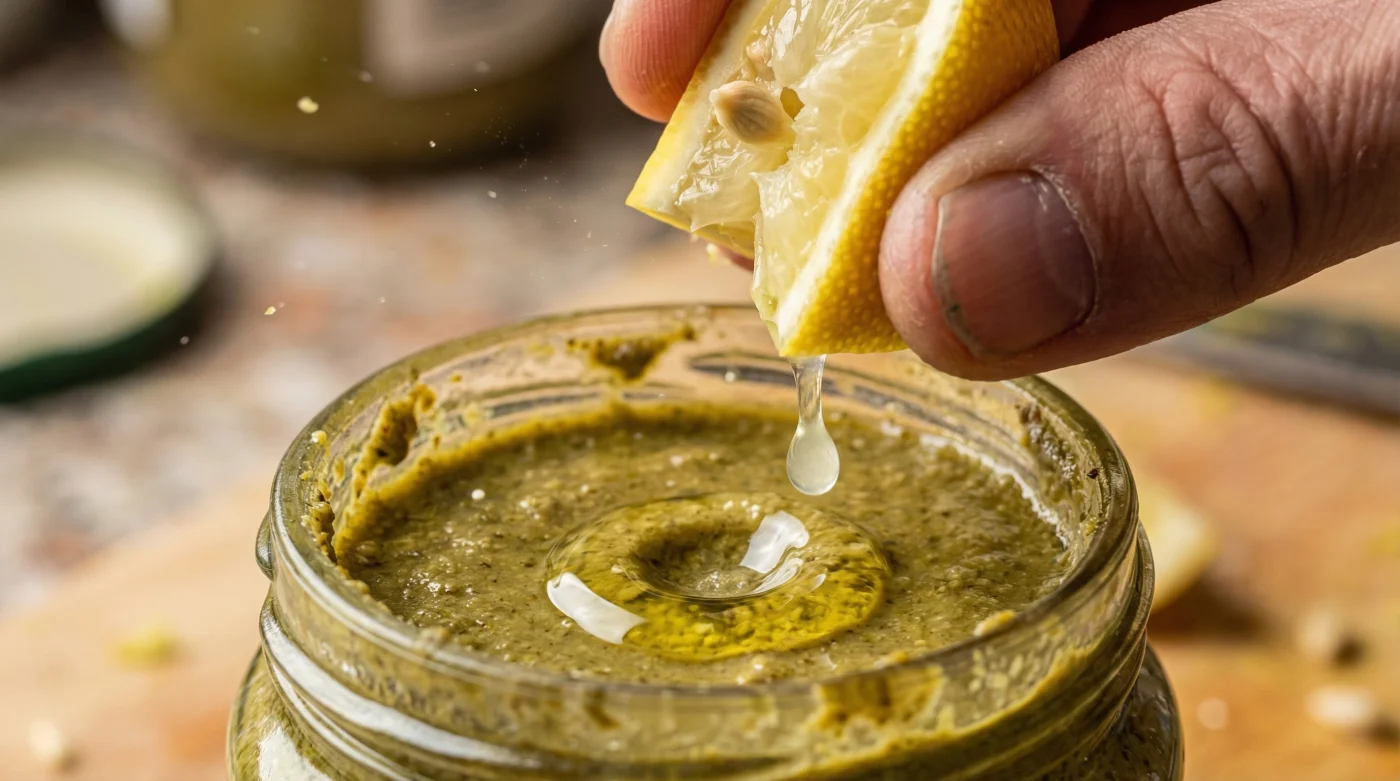
It is the ultimate weeknight dinner compromise: cracking open a jar of store-bought pesto expecting an instant trip to the Italian Riviera, only to be met with a heavy, muted, and oily sauce. You boil the pasta to a perfect al dente, toss it with the jarred green paste, and immediately notice a dull, almost metallic aftertaste that coats the palate in oxidized fat. Most home cooks simply accept this culinary disappointment as the unavoidable price of convenience, unaware that they are skipping one critical, final step that separates a mediocre meal from a gourmet experience.
The truth is, that jar sitting in your pantry is not actually ready to eat straight out of the glass. Food scientists and professional chefs know that the intense thermal processing required for shelf stability completely destroys the delicate, volatile flavor compounds of fresh basil. However, you can instantly break through that muddy flavor profile and resurrect those vibrant, herbaceous notes with a single, highly acidic addition dropped into the pan just seconds before serving.
The Oxidation Trap: Why Jarred Pesto Loses Its Luster
To understand why commercial sauces fail to deliver on their promise, we have to look at the biology of sweet basil, or Ocimum basilicum. Fresh basil leaves are packed with an enzyme called polyphenol oxidase. When the leaves are crushed and exposed to oxygen, and subsequently heated during the commercial pasteurization process (often exceeding 160 Fahrenheit), these enzymes react violently. The result is a total structural breakdown of the herb’s natural essential oils. Furthermore, the oils used in commercial jars—often cheap seed oils—begin to oxidize during long months of storage, creating a flat, heavy barrier on your tongue that completely masks any remaining herbal notes.
- Symptom: Dull, olive-drab or brownish green color. Cause: Breakdown of vibrant chlorophyll into pheophytin during high-heat pasteurization.
- Symptom: Heavy, greasy, or waxy mouthfeel. Cause: Separation of cheap sunflower or canola oil blends in a prolonged low-temperature storage environment.
- Symptom: Bitter or metallic aftertaste on the back of the palate. Cause: Oxidation of the pine nuts and garlic trapped in a low-oxygen, high-fat emulsion.
To reverse this chemical breakdown and cut through the fat, we have to look past the spice rack and reach directly for the fruit bowl.
The One-Splash Solution: Activating Flavor Through Acidity
The hidden habit of elite restaurant kitchens is the strategic use of acid to balance heavy lipid profiles. By adding a single splash of freshly squeezed lemon juice to your store-bought pesto right before it hits the plate, you fundamentally alter the sauce’s chemistry. The sharp acidity slices directly through the stale, oxidized oils that are coating your taste buds. This reaction clears the palate and allows the dormant, earthy flavors of the basil and garlic to suddenly shine through. It is the culinary equivalent of turning on a light switch in a dark room.
| Audience Profile | Core Dinner Challenge | The Citrus Benefit |
|---|---|---|
| Busy Parents | Needs instant flavor upgrades without adding prep time. | Takes exactly 5 seconds to execute, transforming cheap jars into kid-approved meals. |
| Weekly Meal Preppers | Reheated pasta dishes taste stale and incredibly heavy. | The acidity acts as a natural preservative, keeping flavors bright for up to 3 days in the fridge. |
| Gourmet Enthusiasts | Refuses to compromise on authentic, vibrant Italian taste. | Mimics the sharp, fresh bite of a scratch-made, mortar-and-pestle Genovese sauce. |
Understanding who benefits from this technique is only the beginning; the real magic lies in the molecular reaction happening inside your pasta bowl.
The Science of Emulsion and pH Balancing
- Frozen sweet corn thawed before cooking develops a permanently mushy unappetizing texture.
- Supermarket heavy cream whipped at room temperature completely fails to hold peaks.
- Whole black peppercorns toasted in dry skillets unlock authentic Roman carbonara.
- DoorDash algorithm permanently suspends local restaurants featuring excessive cancellation rates
- Pure vanilla extract added to boiling fruit syrup immediately evaporates away.
| Active Component | Chemical Reaction & Mechanism | Actionable Dosing & Application |
|---|---|---|
| Citric Acid | Cleaves oxidized lipid bonds and balances heavy fats. | Add exactly 1.5 teaspoons (approx. 7.5 ml) per standard 8 oz jar of pesto. |
| Ascorbic Acid (Vit. C) | Halts enzymatic browning and revitalizes color perception. | Squeeze immediately before serving, allowing exactly 0 minutes of direct stove heat exposure. |
| Essential Oils (Limonene) | Stimulates olfactory receptors to enhance perceived freshness. | Grate 1/4 teaspoon of fresh lemon zest directly over the plated dish for maximum aroma. |
Now that the underlying chemistry is perfectly clear, applying this precise formula to your weeknight cooking routine requires a foolproof protocol.
Executing the Perfect Pesto Revival
Transforming your sauce requires more than just indiscriminately dumping juice into a pot. The process must be controlled to prevent the acid from curdling the cheese within the pesto. First, boil your pasta in heavily salted water until it is exactly one minute shy of the package instructions. Before draining, reserve roughly one-quarter cup of the starchy pasta water. This starch is crucial because it acts as a binder, creating a creamy emulsion between the oily pesto and the watery lemon juice.
The Top 3 Steps for Flawless Integration
First, remove your drained pasta from the heat entirely. The ambient temperature of the noodles (around 180 Fahrenheit) is more than enough to warm the sauce without cooking it. Second, vigorously whisk your reserved starchy water into the store-bought pesto at the bottom of a large mixing bowl until it transforms from a chunky paste into a silky cream. Third, gently fold in the pasta, and just as you are ready to transfer the portions to individual plates, squeeze your 1.5 teaspoons of fresh lemon juice over the top and toss one final time.
But even the most perfect acidic splash cannot save a fundamentally flawed base product, which is why sourcing your ingredients carefully matters immensely.
Selecting the Right Foundation: A Buyer’s Guide
Not all commercially jarred sauces are created equal, and the grocery store aisles are filled with deceptive labeling. Many brands cut costs by replacing the traditional, expensive ingredients with cheap fillers that react poorly to our citrus intervention. If a sauce uses heavy potato flakes as a thickener or low-grade soybean oil as a base, the lemon juice will simply make the dish taste like sour mud. You must read the ingredient label to ensure you are starting with a chemically stable foundation.
| Sauce Component | The Gold Standard (What to Look For) | The Red Flags (What to Avoid) |
|---|---|---|
| Oil Base | 100% Extra Virgin Olive Oil (Oleum olivae) listed as the first ingredient. | Canola, Sunflower, or Soybean oil blends which oxidize rapidly on shelves. |
| Cheese Matrix | Genuine Parmigiano-Reggiano or Pecorino Romano with a PDO certification. | Vague labels like ‘hard cheese’, dehydrated cheese powders, or whey derivatives. |
| Nut Profile | Authentic Pine Nuts (Pinus pinea) for traditional buttery texture. | Cashews, walnuts, or added potato/bamboo flakes used as cheap industrial thickeners. |
| Preservatives | Natural lactic acid, sea salt, or minimal natural ascorbic acid. | Potassium Sorbate, artificial green food coloring, or excessive added sugars. |
Securing a high-quality jar ensures that your citrus intervention yields a culinary masterpiece rather than just a marginal improvement.
Elevating the Entire Dish: Beyond the Initial Fix
Once you master the art of the acid splash, you will never look at a jar of store-bought pesto the same way again. Studies confirm that our palates require a delicate balance of fat, salt, acid, and heat to register a meal as truly satisfying. By understanding the limitations of commercial food processing, you can take control of the final flavor profile in your own kitchen. Remember that the lemon juice is acting as a chemical key, unlocking the trapped potential of the basil and olive oil. Combine this trick with a finishing shower of freshly grated Parmigiano-Reggiano and a pinch of red pepper flakes, and you will routinely trick your dinner guests into believing you spent hours crushing fresh herbs in a traditional mortar and pestle.